Table of Contents
Introduction
Weight loss is one of the most common health and aesthetic goals today. Yet for many individuals, losing weight can feel like an endless struggle despite following diets, exercising regularly, and making lifestyle changes.
If you’ve been finding it difficult to shed excess weight, you may have come across the growing popularity of weight loss injections. These medications have gained significant attention worldwide for helping individuals achieve meaningful weight loss when combined with healthy lifestyle modifications.
Patients often ask me:
“Doctor, do weight loss injections really work?”
“Are they safe?”
“Will I regain weight once I stop?”
The answer is that weight loss injections can be highly effective when prescribed appropriately and monitored by qualified medical professionals.
In this guide, I’ll explain how weight loss injections work, who they’re suitable for, their benefits, possible side effects, expected results, and whether they may be the right option for your weight-loss journey.
What Are Weight Loss Injections?
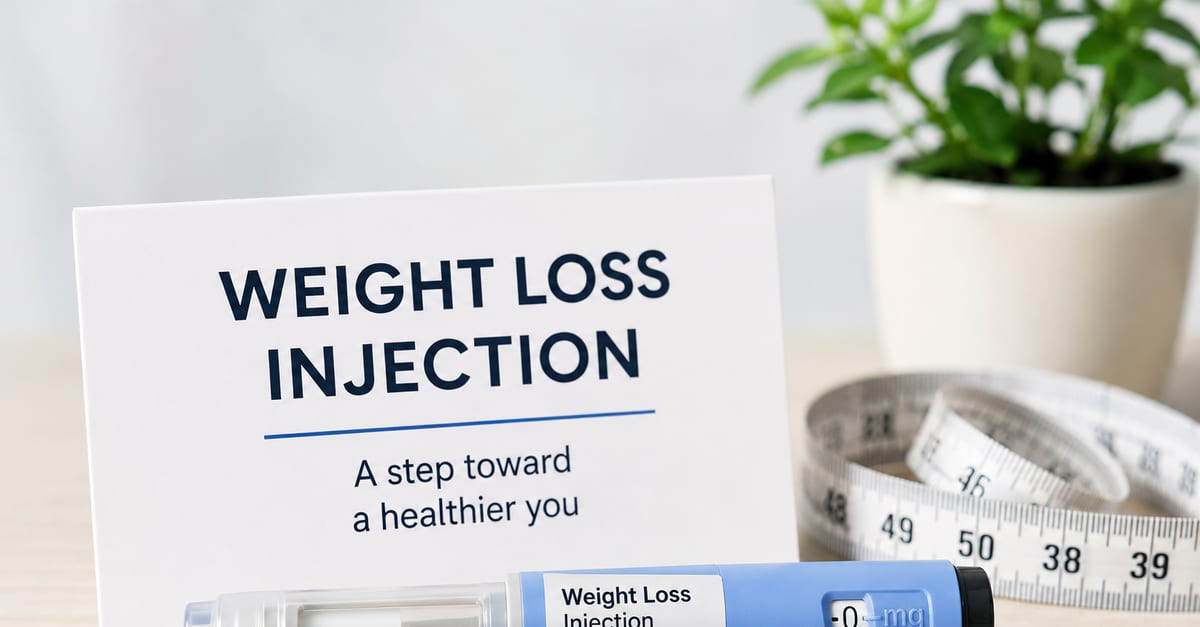
Weight loss injections are prescription medications designed to help individuals lose weight by regulating appetite, reducing hunger, and improving the body’s metabolic response.
Most modern weight loss injections belong to a class of medications known as GLP-1 receptor agonists.
These medications mimic a natural hormone called Glucagon-Like Peptide-1 (GLP-1), which is produced in the gut after eating.
This hormone helps regulate:
- Appetite
- Hunger signals
- Blood sugar levels
- Digestion speed
- Food cravings
By enhancing these natural processes, weight loss injections help patients consume fewer calories and achieve sustainable weight reduction.
Why Is Losing Weight So Difficult?
Many people assume weight loss is simply a matter of eating less and exercising more.
While these factors are important, obesity is a complex medical condition influenced by:
Genetics
Your genes can affect:
- Appetite
- Fat storage
- Metabolism
- Weight regulation
Hormonal Factors
Conditions such as:
- PCOS
- Insulin resistance
- Thyroid disorders
- Menopause
can make weight loss more challenging.
Stress and Lifestyle
Chronic stress can increase cortisol levels, promoting fat storage and cravings.
Age-Related Changes
Metabolism naturally slows with age, making it harder to lose weight compared to younger years.
This is why many people continue to struggle despite significant efforts.
How Do Weight Loss Injections Work?
Weight loss injections work through multiple mechanisms.
1. Reduce Appetite
The medication acts on appetite centers in the brain, helping you feel satisfied with smaller portions.
2. Increase Fullness
Patients often report feeling fuller for longer after meals.
3. Slow Gastric Emptying
Food stays in the stomach longer, reducing hunger between meals.
4. Reduce Cravings
Many patients experience fewer cravings for:
- Sugary foods
- Processed foods
- Late-night snacking
5. Improve Blood Sugar Regulation
Better blood sugar control can reduce hunger spikes and support weight management.
Together, these effects create a calorie deficit that leads to gradual and sustainable weight loss.
Which Weight Loss Injections Are Commonly Used?
Several medications are available globally, depending on medical suitability and regulatory approvals.
Examples include:
- Semaglutide-based medications
- Liraglutide-based medications
- Tirzepatide-based medications
The choice depends on:
- Body weight
- Medical history
- Existing health conditions
- Weight-loss goals
A detailed consultation is necessary to determine the most appropriate option.
Who Is an Ideal Candidate?
Weight loss injections are generally recommended for individuals who:
Have a BMI Above Recommended Levels
Typically:
- BMI ≥ 30
- BMI ≥ 27 with obesity-related health conditions
Have Struggled With Conventional Weight Loss
Individuals who have not achieved desired results despite:
- Dieting
- Exercise
- Lifestyle modifications
Have Obesity-Related Health Concerns
Such as:
- Type 2 diabetes
- PCOS
- Hypertension
- Sleep apnea
- High cholesterol
Are Committed to Lifestyle Changes
Weight loss injections work best when combined with:
- Healthy nutrition
- Regular exercise
- Long-term lifestyle improvements
Who May Not Be Suitable?
These medications may not be suitable for everyone.
They may require special consideration in patients with:
- Certain endocrine disorders
- Specific gastrointestinal conditions
- Pregnancy or breastfeeding
- Certain family histories of endocrine cancers
A complete medical evaluation is essential before starting treatment.
What Happens During Treatment?
Initial Consultation
We assess:
- Weight history
- Medical history
- BMI
- Lifestyle habits
- Previous weight-loss attempts
Customized Treatment Plan
A personalized plan may include:
- Weight loss injections
- Nutrition guidance
- Exercise recommendations
- Lifestyle coaching
Weekly or Daily Administration
Depending on the medication prescribed, injections may be taken:
- Once weekly
- Once daily
Most injections are self-administered using a fine needle pen device.
Are Weight Loss Injections Painful?
Most patients are surprised by how comfortable the injections are.
The needles used are extremely fine and designed for easy self-administration.
Patients typically describe the sensation as:
- Mild pinch
- Minimal discomfort
- Quick and manageable
The injection is usually administered under the skin of:
- Abdomen
- Thigh
- Upper arm
How Much Weight Can You Lose?
Results vary depending on:
- Starting weight
- Lifestyle adherence
- Medication type
- Duration of treatment
Clinical studies have shown average weight loss ranging from:
5%–10% Weight Reduction
Often achieved during early treatment phases.
10%–15% Weight Reduction
Common among patients who continue treatment consistently.
15%–20% or More
Some advanced therapies have demonstrated even greater weight-loss outcomes.
For a person weighing 90 kg, a 15% reduction could mean losing approximately 13–14 kg.
When Will Results Become Visible?
Weight loss is gradual and progressive.
First Month
Many patients notice:
- Reduced appetite
- Better portion control
- Less snacking
Two to Three Months
Visible weight loss becomes apparent.
Three to Six Months
Significant body composition improvements may occur.
Six to Twelve Months
Patients often achieve their most substantial transformation during this period.
Consistency is key.
Can Weight Loss Injections Help With Belly Fat?
One of the most common questions I receive is whether injections specifically target abdominal fat.
Weight loss injections do not selectively remove fat from one area.
However, as overall body fat decreases, patients often notice reductions in:
- Belly fat
- Waist circumference
- Love handles
- Back fat
- Thigh fat
Many individuals also report improvements in clothing fit and body contour.
What Are the Benefits Beyond Weight Loss?
Weight loss injections can offer additional health benefits.
Improved Blood Sugar Control
Particularly beneficial for patients with insulin resistance or diabetes.
Better Energy Levels
Many patients feel more active as weight decreases.
Improved Cholesterol Levels
Weight reduction often contributes to healthier lipid profiles.
Lower Blood Pressure
Reduced body weight may improve cardiovascular health.
Enhanced Confidence
Weight loss frequently improves self-esteem and overall quality of life.
What Side Effects Can Occur?
Like all medications, weight loss injections may cause side effects.
The most common are usually mild and temporary.
Common Side Effects
These may include:
- Nausea
- Bloating
- Constipation
- Diarrhea
- Indigestion
- Reduced appetite
These symptoms often improve as the body adapts.
Less Common Side Effects
Some individuals may experience:
- Fatigue
- Dizziness
- Injection-site irritation
Close medical supervision helps manage side effects effectively.
Do You Need to Follow a Diet While Taking Weight Loss Injections?
Absolutely.
Weight loss injections are not magic solutions.
The best outcomes occur when patients combine treatment with:
Balanced Nutrition
Focus on:
- Lean protein
- Vegetables
- Fruits
- Whole grains
Hydration
Adequate water intake is essential.
Regular Exercise
Aim for:
- Cardio training
- Strength training
- Daily movement
Quality Sleep
Poor sleep can interfere with weight loss and appetite regulation.
Will the Weight Return After Stopping Treatment?
This depends largely on long-term lifestyle habits.
Weight regain can occur if:
- Calorie intake increases significantly
- Exercise decreases
- Healthy habits are abandoned
The goal is to use treatment as a tool to establish sustainable lifestyle changes.
Patients who maintain healthy habits often enjoy long-lasting results.
Weight Loss Injections vs Dieting Alone
| Feature | Diet & Exercise Alone | Weight Loss Injections |
|---|---|---|
| Appetite Control | Difficult | Improved |
| Cravings | Often Persistent | Reduced |
| Hunger Levels | Higher | Lower |
| Weight Loss Success | Variable | Enhanced |
| Medical Supervision | Not Always | Yes |
| Sustainability | Depends on Adherence | Improved with Support |
The combination of medication and lifestyle modification often provides superior outcomes compared to dieting alone.
Common Myths About Weight Loss Injections
Myth 1: They Melt Fat Instantly
False.
Weight loss occurs gradually over time.
Myth 2: You Can Eat Anything You Want
False.
Healthy eating remains essential.
Myth 3: They’re Only for Severe Obesity
False.
Many overweight individuals with health concerns may also qualify.
Myth 4: Weight Loss Happens Overnight
False.
Consistent treatment and lifestyle changes are necessary.
Myth 5: Everyone Gets the Same Results
False.
Individual outcomes vary.
Why Medical Supervision Matters
Weight loss medications should never be taken without proper medical evaluation.
Professional supervision ensures:
- Correct diagnosis
- Appropriate medication selection
- Safe dosing
- Side-effect monitoring
- Long-term success
At Derma Solutions, we focus on evidence-based treatment plans tailored to each patient’s unique needs and goals.
Final Thoughts: Are Weight Loss Injections Worth Considering?
For many individuals struggling with excess weight despite repeated efforts, weight loss injections can be a highly effective and scientifically backed solution.
They help reduce appetite, control cravings, improve portion control, and support meaningful weight loss when combined with healthy lifestyle habits.
However, they are not a shortcut or substitute for a healthy lifestyle. The best results occur when medication is integrated into a comprehensive weight management program that includes nutrition, exercise, and long-term behavioral changes.
If you’ve been struggling to achieve sustainable weight loss and would like to explore whether weight loss injections are suitable for you, consulting an experienced medical professional is the first step toward a healthier and more confident future.
Considering Weight / Fat Loss Injections?
View Treatment