
One of the most common questions I hear in my clinic is:
“Doctor, which skin treatment is the best?”
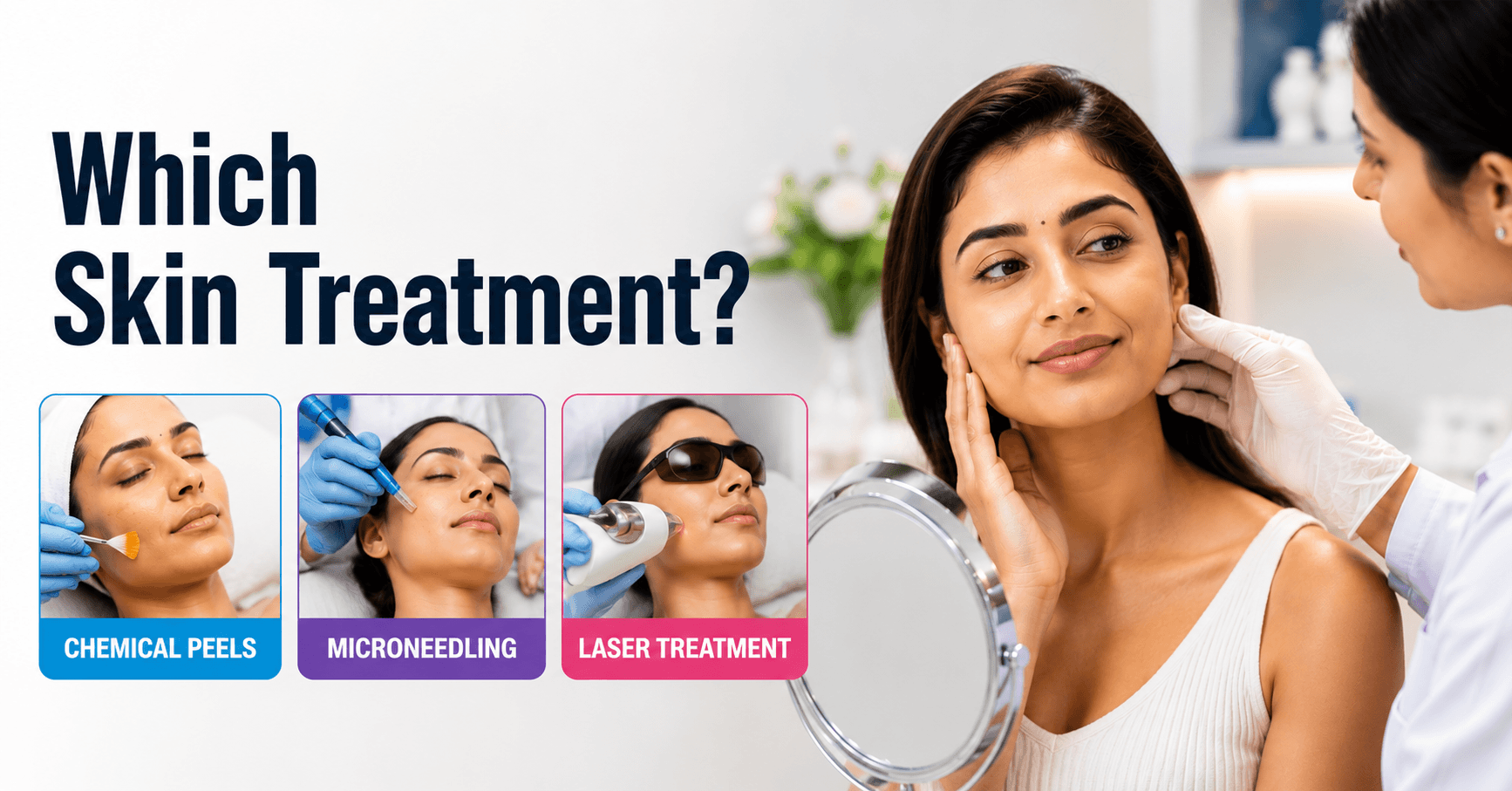
Some patients ask about chemical peels.
Others want laser treatment.
Some have heard about microneedling.
Many are curious about Botox, fillers, or skin boosters after seeing them on social media.
The problem is that there is no single treatment that is best for everyone.
A treatment that works beautifully for one person may not be the right choice for another.
Your skin is unique.
Your concerns are unique.
Your treatment should be unique too.
At Derma Solutions in Marathahalli, Bengaluru, I believe skin rejuvenation is not about following trends.
It is about understanding your skin, identifying the underlying problem, and choosing the most appropriate treatment based on science rather than social media.
In this guide, I will explain the differences between chemical peels, microneedling, laser treatments, and injectables, when each treatment is recommended, and how dermatologists decide which option is most suitable.
Many people assume skin rejuvenation simply means making the skin look younger.
In reality, it is much broader than that.
Skin rejuvenation refers to treatments that improve the health, texture, tone, and overall appearance of the skin.
Depending on your concern, the goals may include:
Because these concerns have different causes, they require different treatments.
Many patients ask,
“Doctor, can one laser fix everything?”
Or,
“Will one chemical peel remove my acne scars, pigmentation, and wrinkles together?”
Unfortunately, skin does not work that way.
For example:
Pigmentation develops in the pigment-producing cells.
Acne scars result from collagen damage.
Wrinkles occur because of muscle movement, collagen loss, and ageing.
Volume loss happens because fat and bone gradually diminish with age.
These are completely different processes.
That is why dermatologists often combine treatments rather than relying on just one procedure.
The goal is personalised treatment—not one-size-fits-all solutions.
Modern cosmetic dermatology broadly includes four categories of rejuvenation procedures:
Each works differently.
Each has its own advantages.
Each has specific indications.
Let’s understand them one by one.
Chemical peels use carefully selected medical-grade acids to gently exfoliate damaged layers of skin.
As old skin sheds, healthier skin gradually replaces it.
Contrary to popular belief, chemical peels are not harsh when performed by trained dermatologists.
The treatment is customised according to:
Chemical peels are commonly recommended for:
Chemical peels offer several benefits.
They:
Chemical peels are excellent for surface concerns.
However, they cannot:

Microneedling is a collagen induction treatment.
Tiny sterile needles create controlled micro-injuries in the skin.
These microscopic channels stimulate the body’s natural healing process.
As healing occurs, collagen and elastin production increases.
The result is gradual skin remodeling.
Microneedling is especially useful for:
Many dermatologists also combine microneedling with growth factors, PRP, or exosomes in selected patients.
Microneedling offers several advantages:
Microneedling does not replace:
Results develop gradually over multiple sessions.
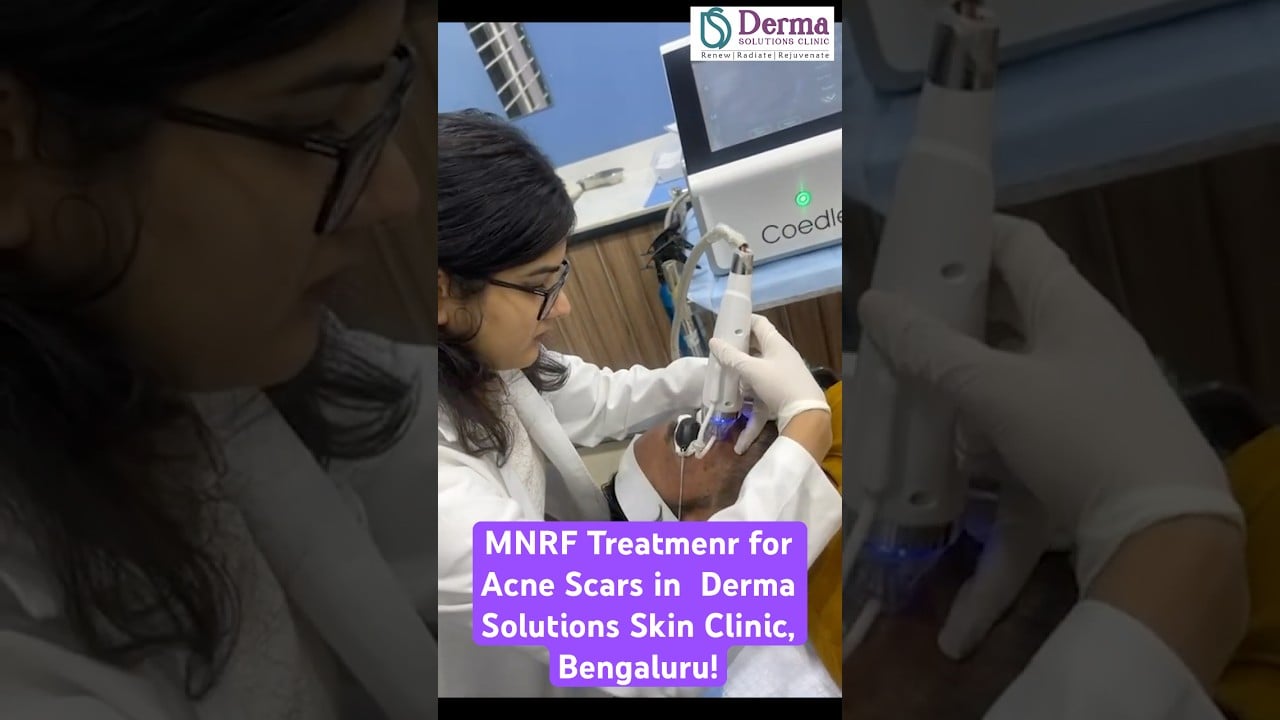
Lasers deliver controlled energy into specific layers of the skin.
Different lasers target different concerns.
That is why there is no such thing as “one laser for everything.”
Modern dermatology uses different laser technologies for:
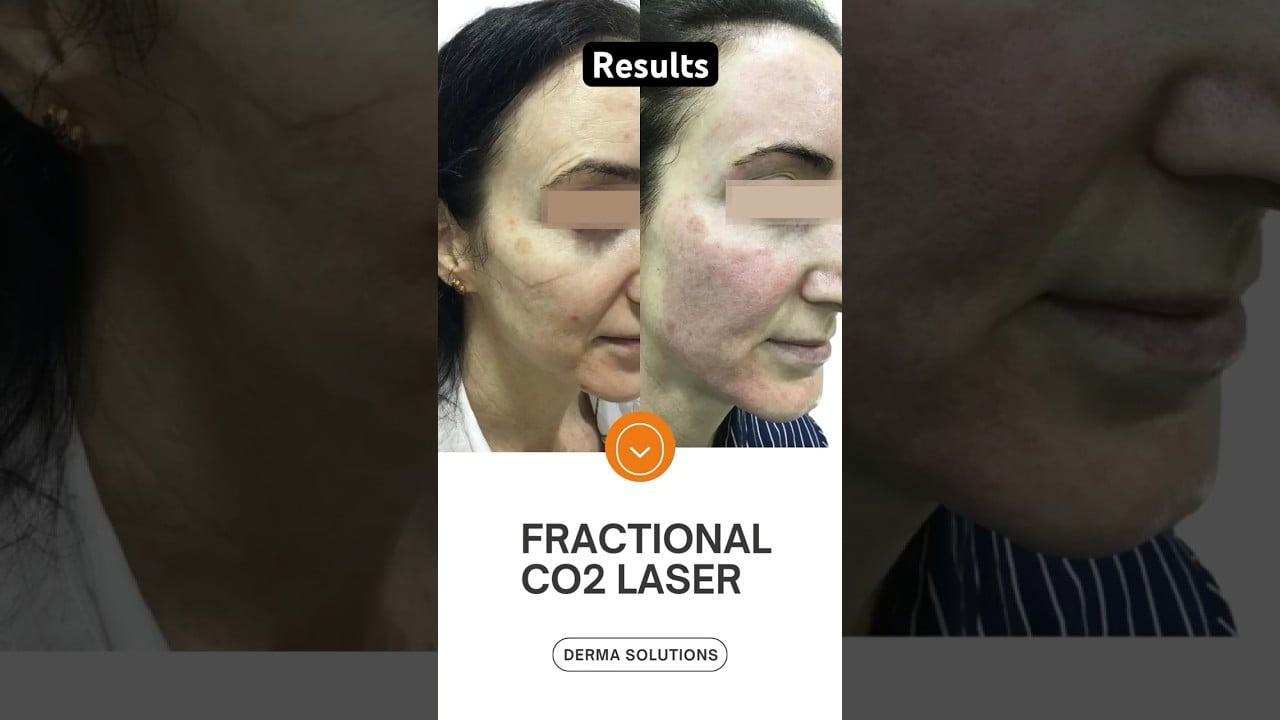
One of the most commonly discussed rejuvenation lasers is the fractional CO₂ laser.
This treatment creates microscopic treatment zones that stimulate collagen remodeling while leaving surrounding skin intact.
It is commonly recommended for:
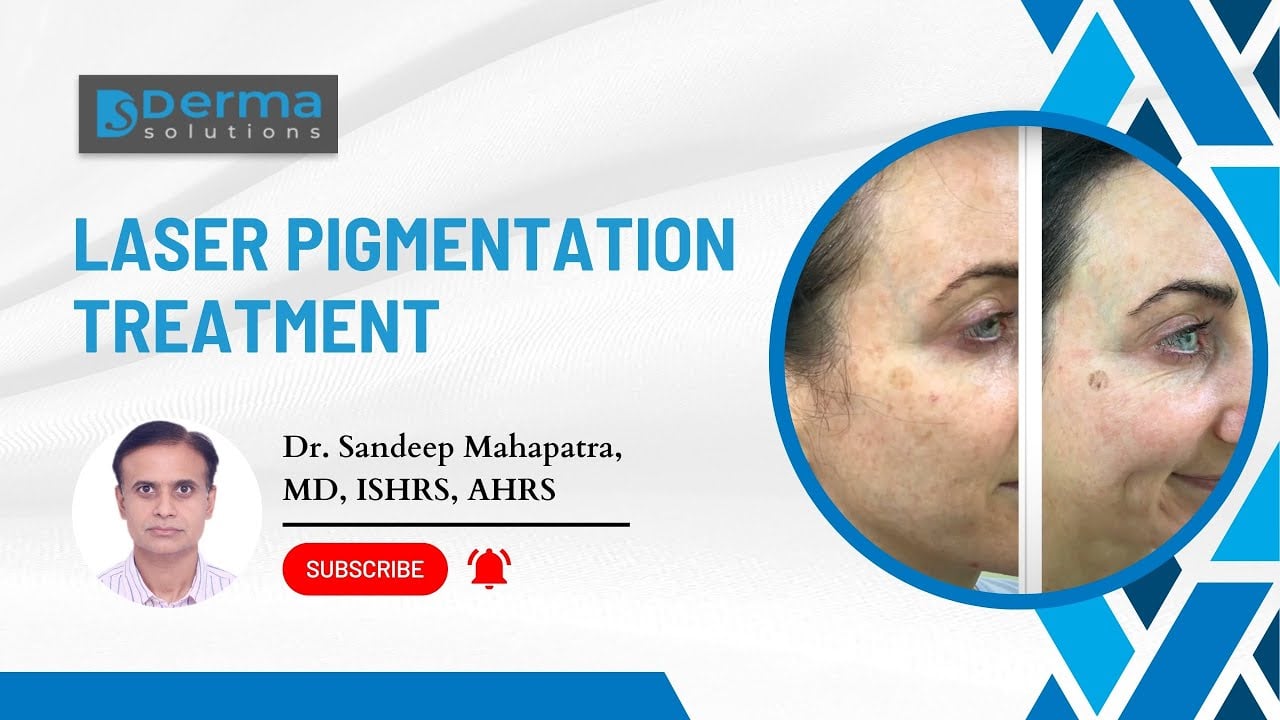
Laser toning is different.
It primarily targets pigmentation and improves overall skin brightness.
It is often recommended for:
Laser treatments offer:
Laser treatment is not suitable for every patient.
Certain conditions require caution, especially in darker skin tones.
Proper evaluation by an experienced dermatologist helps minimise risks such as post-inflammatory pigmentation.
Injectables are completely different from peels, lasers, or microneedling.
Instead of resurfacing the skin, they work beneath the skin.
Different injectables have different purposes.
They include:
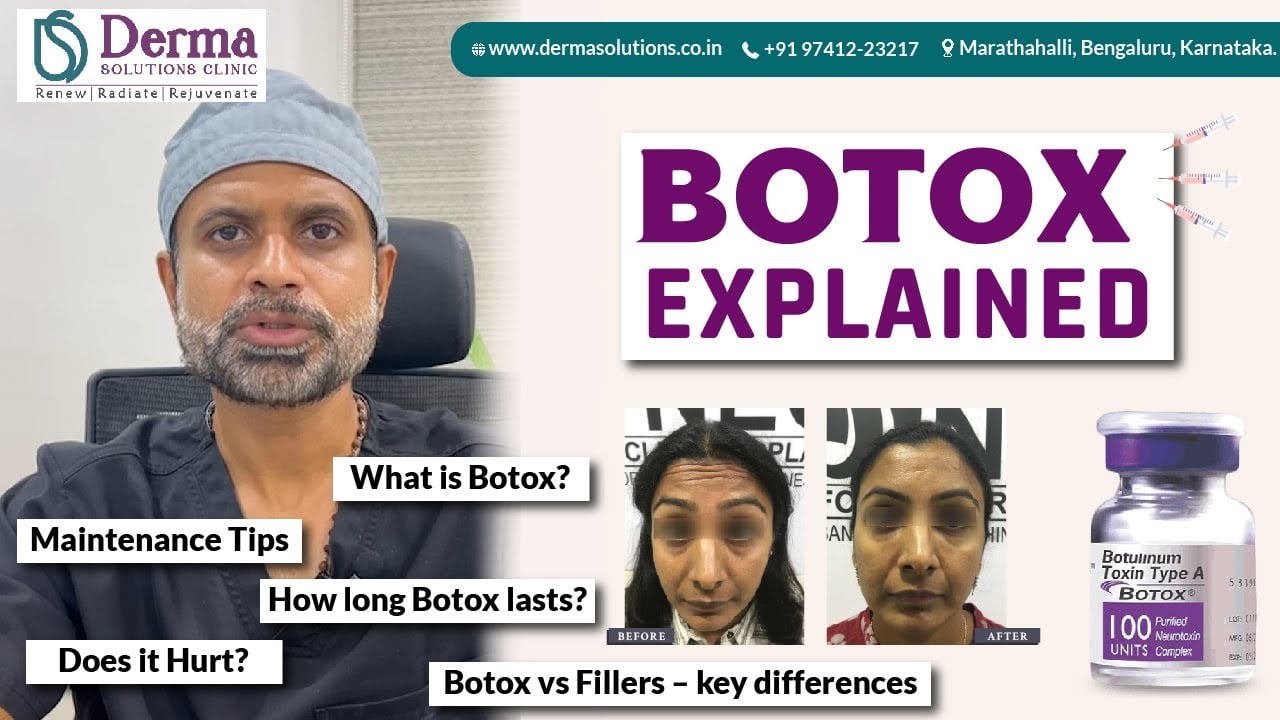
Botox works by temporarily relaxing specific facial muscles.
It is commonly used for:
Botox treats dynamic wrinkles caused by muscle movement.
Fillers restore lost facial volume.
They may improve:
They do not replace lasers or chemical peels because they solve a completely different problem.

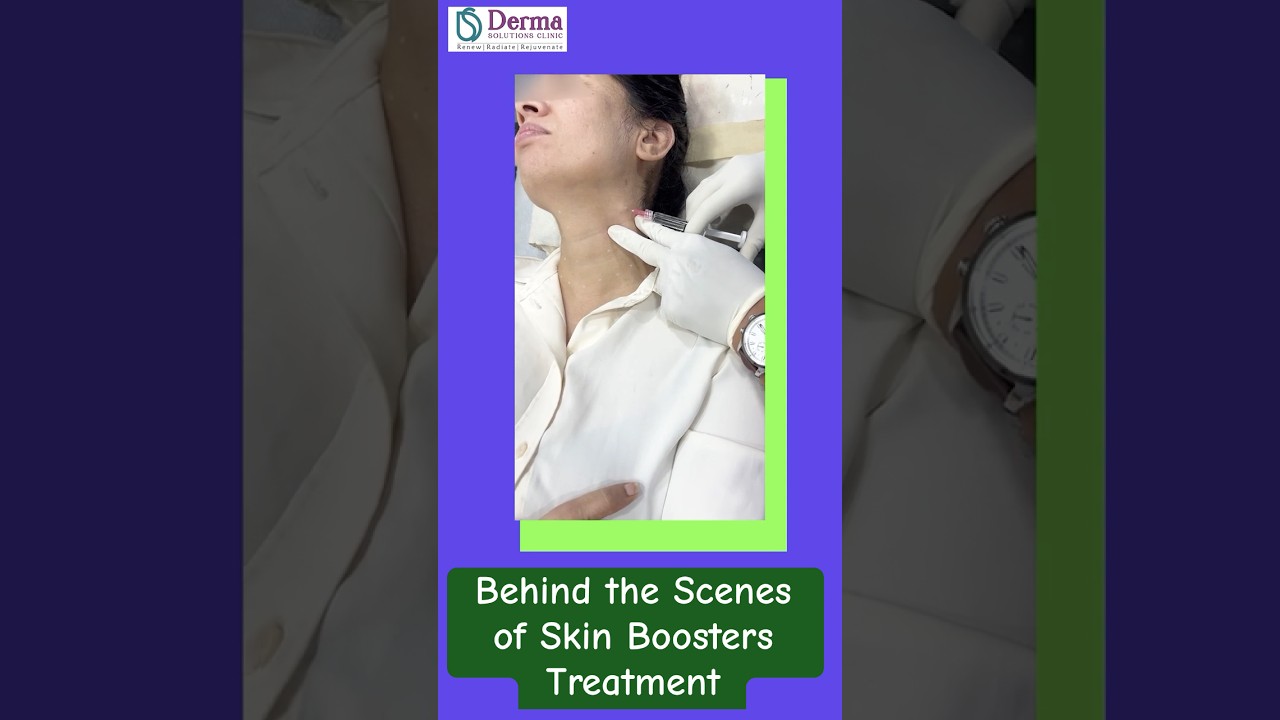
Unlike fillers, skin boosters focus primarily on hydration and skin quality.
They improve:
Many patients describe the result as healthier-looking skin rather than a change in facial shape.
One of the biggest misconceptions in aesthetic dermatology is that there is one treatment that works for every concern.
In reality, successful skin rejuvenation begins with identifying why the concern exists.
Is it pigmentation?
Loss of collagen?
Sun damage?
Volume loss?
Muscle movement?
Each problem requires a different solution.
Let’s look at some of the most common concerns.
Pigmentation is one of the leading reasons patients visit our clinic.
However, pigmentation itself is not a diagnosis.
It may be caused by:
Depending on the cause, treatment may include:
Many patients assume stronger treatment produces faster results.
This is rarely true.
Aggressive treatment may increase the risk of post-inflammatory pigmentation, particularly in Indian skin.
The safest and most effective treatment is one that matches your diagnosis—not your expectations.
Acne scars affect both skin texture and self-confidence.
Creams alone cannot remove established scars.
Instead, dermatologists often recommend procedures that stimulate collagen production.
These may include:
The type of scar matters.
Rolling scars.
Boxcar scars.
Ice-pick scars.
Each may require a different approach.
This is why acne scar treatment is highly individualized.
Many patients are simply looking for healthier, more radiant skin.
For skin dullness, options may include:
The goal is not to make the skin unnaturally fair.
Healthy skin is skin that is:
Not all wrinkles develop for the same reason.
Some appear because facial muscles move repeatedly.
Others occur because collagen decreases with age.
Still others develop due to volume loss.
Treatment depends on the underlying cause.
Dynamic wrinkles often respond well to Botox.
Fine textural lines may improve with:
Volume-related folds may require dermal fillers.
Correct diagnosis always comes before treatment.
Skin laxity develops gradually with ageing.
Mild laxity may respond to collagen-stimulating treatments such as:
More advanced sagging may require surgical intervention rather than cosmetic dermatology procedures.
Understanding the limitations of non-surgical treatments is important.
No machine can completely replace a surgical facelift in appropriate candidates.
Absolutely.
In fact, combination therapy often produces the most natural and comprehensive results.
A patient with acne scars and pigmentation may benefit from:
Someone with early ageing may combine:
Combination treatment allows dermatologists to address multiple concerns simultaneously while minimizing unnecessary procedures.
Choosing a rejuvenation treatment involves far more than looking at the skin.
During consultation, I evaluate several factors.
These include:
Indian skin behaves differently from lighter skin types.
Treatment settings must be adjusted accordingly.
Preventive treatments in your 30s differ significantly from restorative treatments in your 50s or 60s.
Certain medications, medical conditions, and previous cosmetic procedures influence treatment planning.
Someone who spends long hours outdoors may require a different approach than someone working indoors.
Some patients cannot afford visible peeling or redness because of work commitments.
Others are comfortable with a few days of recovery if results are more dramatic.
Realistic expectations are essential.
A consultation helps determine what is achievable safely.
Yes—when performed by experienced dermatologists using appropriate techniques.
Indian skin has unique characteristics.
While it generally heals well, it is also more prone to:
For this reason, treatment parameters should always be individualized.
Professional assessment helps minimize unnecessary risks.
Most rejuvenation treatments work gradually.
Collagen production takes time.
Pigmentation fades progressively.
Skin quality improves over weeks and months.
Many patients require a treatment plan rather than a single session.
Consistency usually produces better long-term outcomes than pursuing dramatic short-term changes.
Procedures alone cannot maintain healthy skin.
Daily skincare remains essential.
Most treatment plans include:
Think of procedures as accelerating improvement.
Daily skincare helps maintain it.
Every patient who walks into my clinic has different goals.
Some want to reduce acne scars.
Others wish to soften early wrinkles.
Some are preparing for a wedding.
Others simply want healthier skin.
Instead of recommending the newest or most expensive procedure, I focus on selecting the treatment that best matches the patient’s concerns, skin type, and expectations.
Sometimes that means a chemical peel.
Sometimes microneedling.
Sometimes laser treatment.
Sometimes injectables.
And very often, a combination of carefully planned treatments delivers the most balanced and natural-looking results.
My philosophy is simple:
Healthy skin first.
Beautiful skin follows.
Injectables such as Botox and fillers often provide noticeable improvement within days. Chemical peels and HydraFacial can also improve skin radiance quickly, while collagen-stimulating treatments like microneedling and lasers develop gradually over several weeks.
There is no single best treatment.
Options may include microneedling, MNRF, fractional CO₂ laser, subcision, or combination therapy depending on the type and severity of the scars.
Not necessarily.
Lasers and chemical peels treat different skin concerns.
The right choice depends on your diagnosis, skin type, and treatment goals.
Botox primarily relaxes muscles that cause dynamic wrinkles.
It does not replace treatments designed to improve skin texture or pigmentation.
No.
Skin boosters improve hydration and skin quality, whereas dermal fillers restore facial volume and contour.
Most patients require multiple sessions, although the exact number varies depending on the condition being treated and the chosen procedure.
Yes.
Many dermatologists combine procedures to address multiple concerns more effectively while maintaining natural-looking results.
Most procedures involve only mild discomfort.
Topical numbing creams and modern techniques help improve patient comfort.
Downtime varies.
HydraFacial may involve almost no downtime, while fractional lasers may require several days of recovery.
Several treatments are safe for Indian skin when selected appropriately and performed by an experienced dermatologist familiar with darker skin types.
They cannot stop the natural ageing process, but they can help slow visible signs of ageing and improve skin quality over time.
There is no fixed age.
Preventive care often begins in the late 20s or early 30s, while treatment plans become more individualized as skin concerns evolve.
Modern cosmetic dermatology offers more options than ever before.
From chemical peels and microneedling to advanced laser treatments and injectables, each procedure has a valuable role when used appropriately.
The key is not choosing the newest or most popular treatment—it is choosing the one that addresses your specific skin concern safely and effectively.
At Derma Solutions, Marathahalli, Bengaluru, every rejuvenation plan begins with a detailed skin assessment and a personalized treatment strategy. Our goal is to enhance your skin’s health and appearance with evidence-based care and natural-looking results—not unnecessary procedures.
When your treatment is tailored to your skin, the results are often healthier, more balanced, and longer lasting.

Written by: Dr. Sandeep Mahapatra
Senior Dermatologist, Hair Transplant Surgeon & Founder – Derma Solutions Skin & Hair Clinic, Bangalore. | Dr. Sandeep Mahapatra is a senior dermatologist and hair transplant surgeon in Bangalore with extensive experience in dermatology, aesthetic treatments and hair restoration. As the founder of Derma Solutions Skin and Hair Clinic – Marathahalli, Bangalore , With extensive experience in aesthetic dermatology, he has performed 50,000+ laser hair removal treatments, 40,000+ chemical peels, 4,000+ Botox procedures, 2,000+ dermal filler treatments, and 3,000+ vitiligo treatments, helping patients achieve safe, natural-looking, and evidence-based skin and facial rejuvenation results.
Medically reviewed by: Dr. Sandeep Mahapatra
Senior Dermatologist & Hair Transplant Surgeon
Date Reviewed: 2026-07-10
This article has been medically reviewed by Dr. Sandeep Mahapatra to ensure Blog Author & Medical Reviewer