
Table of Contents
“Every bride and groom dreams of looking their absolute best on the wedding day. While the perfect outfit, jewellery, and makeup play their roles, the true foundation of bridal beauty is healthy, radiant skin. The secret behind that effortless wedding glow isn’t a miracle facial done the night before—it is months of thoughtful planning and expert skincare.”
One of the biggest misconceptions I encounter in my practice is that glowing skin can be achieved within a few days before the wedding. Every wedding season, I meet excited brides, grooms, and even family members who visit the clinic just two weeks before their ceremony hoping for dramatic improvements.
Unfortunately, skin doesn’t transform overnight.
Healthy skin is a reflection of consistent care, scientific treatments, proper nutrition, hydration, and lifestyle choices. Whether you’re dealing with acne scars, pigmentation, tanning, uneven skin tone, dullness, open pores, or signs of ageing, each concern requires time to treat safely and effectively.
Think of your skin as a beautiful garden. You cannot plant seeds today and expect full blooms tomorrow. Similarly, collagen production, pigmentation correction, scar remodelling, and skin rejuvenation happen gradually. Giving your skin enough time allows treatments to work naturally, minimizes the risk of last-minute reactions, and ensures your results look fresh—not artificial.
At Derma Solutions, we believe every wedding skincare journey should be personalized. Every skin type is unique, and every bride or groom deserves a treatment plan tailored to their concerns, lifestyle, and wedding timeline.
In this comprehensive guide, I’ll walk you through the ideal skincare roadmap—from one year before the wedding to the wedding day itself—so you can confidently walk down the aisle with healthy, glowing skin.
Why Wedding Skincare Should Never Be Last-Minute
Wedding preparations often revolve around booking venues, shopping for outfits, planning décor, and organizing countless events. Amidst all this excitement, skincare is often pushed to the last few weeks.
This is one of the biggest mistakes.
Most advanced dermatological and aesthetic treatments require multiple sessions, healing time, and gradual improvements. Even treatments with minimal downtime continue to work beneath the skin for several weeks as collagen production increases and skin cells renew.
Starting early provides several advantages:
- Sufficient time to treat stubborn pigmentation
- Safe acne and acne scar management
- Natural collagen stimulation
- Improved skin texture and elasticity
- Reduced chances of treatment-related redness before the wedding
- Flexibility to adjust treatments based on your skin’s response
- Better confidence throughout your wedding celebrations
The goal isn’t to look like someone else.
The goal is to look like the healthiest, happiest version of yourself.
Understanding Your Skin Before Planning Treatments
Before discussing timelines, it’s important to understand that every person’s skin behaves differently.
Some people struggle with oily, acne-prone skin, while others experience dryness, pigmentation, rosacea, or premature ageing. Genetics, hormones, stress, sleep, diet, climate, and skincare habits all influence how your skin responds.
This is why I strongly recommend beginning your journey with a professional skin consultation rather than copying routines from social media.
During your consultation, your dermatologist may assess:
- Skin type
- Hydration levels
- Pigmentation
- Acne activity
- Acne scars
- Sun damage
- Fine lines
- Collagen quality
- Enlarged pores
- Skin sensitivity
- Hair concerns, if applicable
This assessment becomes the foundation of your personalized wedding skincare roadmap.
12 Months Before the Wedding: Build the Foundation
If your wedding is still a year away, congratulations—you have the luxury of time, and this is the best stage to begin your skincare journey.
Many of the most effective skin transformations occur gradually over several months. Starting early allows your dermatologist to address long-standing concerns safely without rushing into aggressive treatments.
Schedule a Comprehensive Skin Consultation
The first appointment is often the most important.
Instead of immediately undergoing procedures, your dermatologist will understand:
- Your wedding date
- Skin goals
- Existing skincare routine
- Medical history
- Allergies
- Lifestyle
- Budget
- Expected downtime
- Previous cosmetic treatments
This helps create a customized treatment calendar.
Address Long-Term Skin Concerns
This is the ideal time to begin treating concerns such as:
Acne
Active acne should never be ignored before a wedding.
Treating acne early helps prevent future breakouts while reducing the risk of permanent scarring.
Treatment options may include:
- Medical-grade skincare
- Prescription medications
- Chemical peels
- Laser therapies (when appropriate)
- Blue light therapy
- Lifestyle modifications
Acne Scars
Scar improvement takes patience.
Most scar treatments require multiple sessions spaced weeks apart.
Depending on your scars, your dermatologist may recommend:
- Microneedling
- Fractional laser treatments
- RF Microneedling
- Subcision
- PRP-assisted procedures
- Combination therapies
Each session stimulates collagen production, gradually improving skin texture over several months.
Pigmentation
Pigmentation often develops due to sun exposure, hormonal changes, acne, or genetics.
Starting treatment a year in advance gives enough time to gradually lighten stubborn pigmentation while protecting the skin barrier.
Common treatments include:
- Medical depigmentation creams
- Chemical peels
- Laser toning
- Sun protection
- Antioxidant therapy
Melasma
Melasma deserves special mention because it is one of the most challenging pigmentation disorders.
It cannot be permanently cured, but it can be effectively managed with consistent treatment and diligent sun protection.
Hair and Scalp Health
Beautiful skin is often complemented by healthy hair.
If you’re experiencing hair thinning, excessive hair fall, or scalp issues, this is the right time to seek evaluation.
Early intervention may include:
- PRP therapy
- Growth factor treatments
- Hair nutrition
- Medical therapy
- Hair restoration planning if needed
Healthy hair takes months to improve, making early treatment particularly valuable.
Build a Daily Medical-Grade Skincare Routine
Professional treatments work best when combined with an effective home-care routine.
Your dermatologist may recommend products tailored to your skin type, such as:
Morning Routine
- Gentle cleanser
- Vitamin C serum
- Moisturizer
- Broad-spectrum SPF 50 sunscreen
Night Routine
- Cleanser
- Prescription treatment (if advised)
- Retinol or retinal (where appropriate)
- Barrier-repair moisturizer
Avoid experimenting with viral skincare trends or layering too many active ingredients without professional guidance, as this can irritate the skin and delay progress.
Lifestyle Changes That Make a Difference
Healthy skin begins long before you apply any serum.
Simple daily habits significantly influence your complexion over time.
Focus on:
- Drinking adequate water
- Eating antioxidant-rich fruits and vegetables
- Including protein in every meal
- Sleeping 7–8 hours each night
- Exercising regularly
- Managing stress through meditation or yoga
- Avoiding smoking and limiting alcohol intake
- Wearing sunscreen every day, even indoors if exposed to daylight
These habits support collagen production, improve circulation, reduce inflammation, and enhance your skin’s natural radiance.
9 Months Before the Wedding: Correct, Strengthen, and Enhance
By now, your skincare journey is well underway. The initial treatments have addressed the foundation, and your skin is gradually becoming healthier. This stage is all about refining the results, correcting persistent concerns, and strengthening the skin so that it continues to improve naturally over the coming months.
Evaluate Your Progress
Every person’s skin responds differently to treatment. Around the nine-month mark, your dermatologist will typically review your progress and adjust the treatment plan if necessary.
During this review, several questions are considered:
- Has acne reduced significantly?
- Is pigmentation fading as expected?
- Are acne scars becoming smoother?
- Has skin texture improved?
- Is your home skincare routine working well?
- Have there been any unexpected reactions?
This reassessment helps ensure your treatment plan remains aligned with your wedding goals rather than following a rigid schedule.
Continue Professional Skin Treatments
Once the skin barrier is healthier and active concerns are under control, your dermatologist may recommend maintenance sessions or combination therapies to further enhance skin quality.
Depending on your needs, this phase may include:
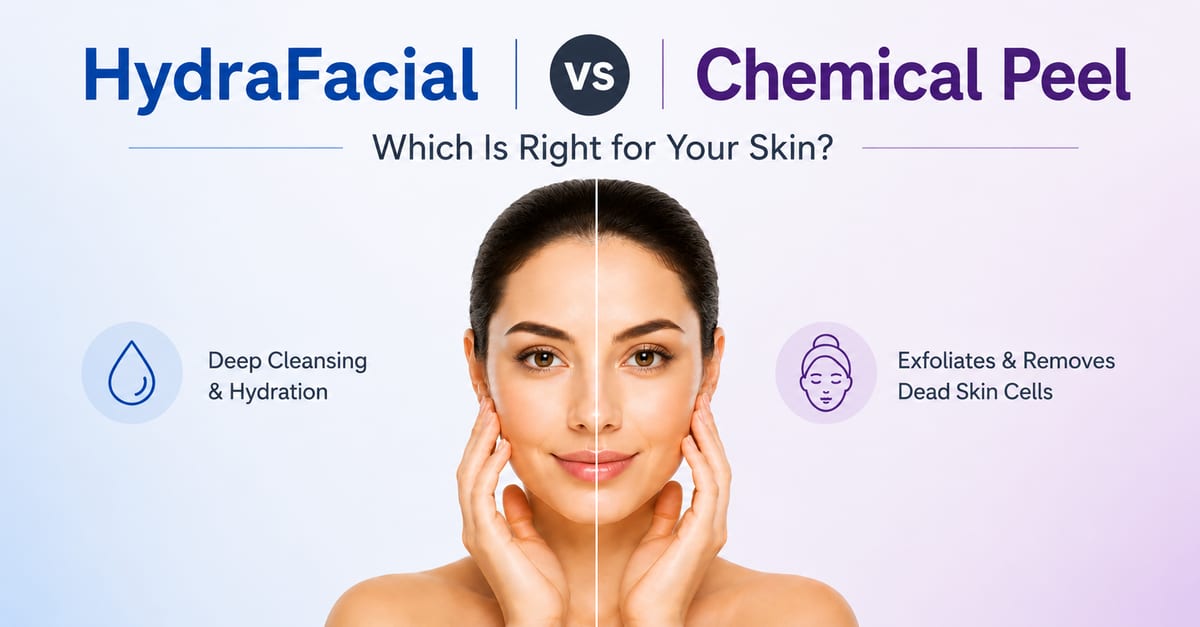
- Medical-grade chemical peels for brighter, more even-toned skin
- Laser toning for stubborn pigmentation
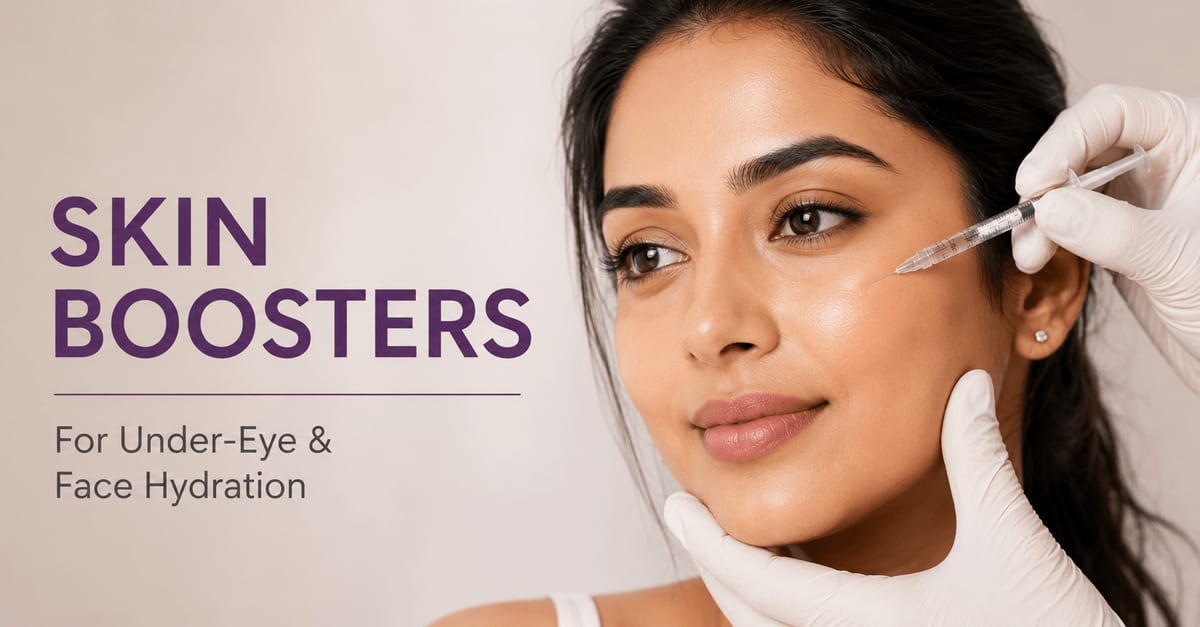
- Hydration-focused skin boosters
- Microneedling sessions for improved texture
- Collagen-stimulating procedures to enhance firmness
- Treatments that reduce enlarged pores and refine overall skin appearance
The objective is not dramatic overnight changes, but gradual, natural improvements that photograph beautifully and last well beyond the wedding.
Don’t Forget Your Neck, Hands, and Back
Many people focus exclusively on the face, overlooking other areas that are often visible during wedding ceremonies and photographs.
By this stage, it is worth discussing treatments for:
- Neck pigmentation
- Uneven skin tone on the chest
- Tanned arms and hands
- Back acne or acne marks
- Dry elbows and knees
Creating an even complexion from head to toe contributes to a polished and confident appearance.
6 Months Before the Wedding: Time to Elevate Your Glow
With six months to go, your wedding day is beginning to feel real. Invitations may be getting finalized, outfits are being selected, and photoshoots are being planned. By now, your skin should already be healthier than when you started, making this the perfect time to focus on refinement rather than correction.
This phase is about enhancing your natural beauty, boosting collagen production, and ensuring your skin remains consistently healthy through the months leading up to the wedding.
Boost Collagen for Naturally Youthful Skin
Collagen is the structural protein that keeps the skin firm, smooth, and youthful. Unfortunately, collagen production naturally slows with age and is further affected by stress, pollution, UV exposure, and lifestyle factors.
Many aesthetic treatments work by stimulating your body’s own collagen production, which means the results continue to improve over several months.
Depending on your skin concerns, your dermatologist may recommend collagen-inducing treatments such as:
- RF Microneedling
- Fractional Laser Resurfacing
- Skin Tightening Procedures
- Collagen-Stimulating Injectables (where appropriate)
- PRP-based skin rejuvenation
These treatments require time for the skin to heal and remodel, making six months before the wedding an ideal window.
Improve Skin Texture
Healthy skin isn’t only about being fair or bright—it is about smoothness, even texture, and a healthy skin barrier.
Common concerns addressed during this phase include:
- Enlarged pores
- Rough skin
- Mild acne scars
- Uneven complexion
- Fine lines
- Dullness
Treatment combinations often produce better results than relying on a single procedure. A personalized approach allows improvements without over-treating the skin.
Professional Hydration Treatments
One of the first signs of stressed skin is dehydration.
Even oily skin can become dehydrated, leading to dullness, increased oil production, sensitivity, and makeup that doesn’t sit well.
Hydration-focused treatments may include:
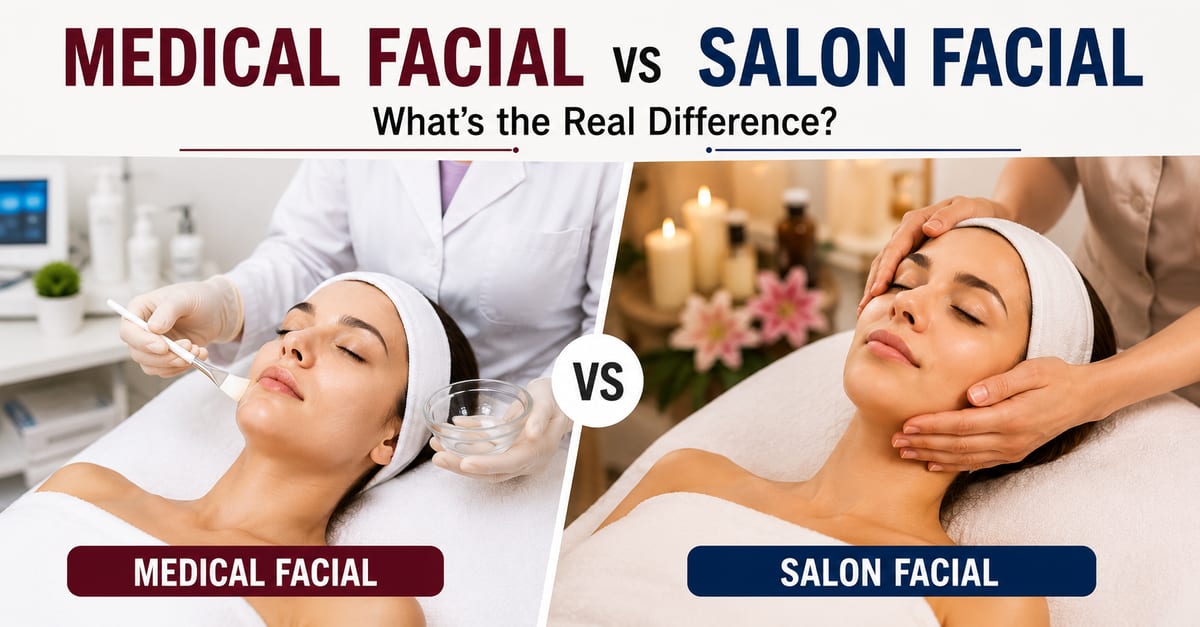
- Medical-grade hydrating facials
- Skin booster therapies
- Hyaluronic acid-based treatments
- Barrier repair protocols
These procedures improve the skin’s ability to retain moisture, creating a healthier and naturally luminous complexion.
Begin Body Care
Wedding skincare should never stop at the face.
If your wedding attire exposes the shoulders, back, arms, or neckline, these areas deserve equal attention.
This is the perfect stage to address:
- Back acne
- Pigmentation on elbows and knees
- Strawberry skin
- Dry skin
- Keratosis pilaris
- Uneven skin tone
Professional body peels, pigmentation treatments, and medical skincare can significantly improve these concerns before your wedding.
Hair Removal Planning
Laser hair reduction requires multiple sessions because hair grows in cycles.
Beginning treatment approximately six months before the wedding provides sufficient time to complete most sessions comfortably.
Common treatment areas include:
- Face
- Underarms
- Arms
- Legs
- Bikini line
- Back
Planning early also allows your skin to recover fully before your wedding festivities begin.
3 Months Before the Wedding: It’s Time to Polish
The final three months are when everything starts coming together.
This is no longer the time for aggressive experimentation. Instead, the focus shifts to maintaining skin health, enhancing radiance, and avoiding anything that could unexpectedly irritate the skin.
Review Your Progress
At this point, I usually encourage my patients to compare their current photographs with those taken during the first consultation.
The difference is often remarkable—not because the skin looks artificial, but because it appears healthier, brighter, smoother, and more confident.
Your dermatologist may slightly modify your treatment plan depending on your progress.
Brightening Treatments
With active skin concerns largely under control, attention can now shift toward enhancing your glow.
Suitable treatments may include:
- Gentle chemical peels
- Hydrating facials
- Medical glow treatments
- Skin polishing procedures
- Oxygen-based rejuvenation therapies
These procedures help maintain healthy skin without causing significant downtime.
Continue Medical Skincare
Many people make the mistake of stopping their prescribed skincare once improvements become visible.
Consistency remains essential.
Continue using products recommended by your dermatologist, including:
- Gentle cleanser
- Vitamin C serum
- Moisturizer
- Sunscreen
- Prescription night creams if advised
Avoid introducing trendy products promoted by influencers without professional guidance.
Nutrition Matters More Than Ever
What you eat now will directly influence your skin over the next several weeks.
Include foods rich in:
- Vitamin C
- Vitamin E
- Zinc
- Omega-3 fatty acids
- Protein
- Fresh fruits
- Green vegetables
- Nuts
- Seeds
Limit:
- Excess sugar
- Deep-fried foods
- Processed snacks
- Excessive alcohol
- Smoking
Healthy nutrition supports collagen production and helps reduce inflammation.
Prioritize Sleep
The phrase “beauty sleep” exists for a reason.
While you sleep, your skin repairs itself by producing collagen, repairing damage, and regulating inflammation.
Aim for 7–8 hours of quality sleep every night.
2 Months Before the Wedding: Protect Your Progress
At this stage, your skin has likely undergone months of treatment and care.
Now the priority becomes protecting the results you’ve achieved.
Avoid Trying New Treatments
One of the biggest mistakes I see every wedding season is patients experimenting with trending procedures just weeks before their wedding.
Even if a treatment works beautifully for someone else, your skin may react differently.
Avoid:
- Experimental facials
- Strong chemical peels
- Aggressive lasers
- DIY treatments
- Homemade scrubs
- Viral skincare hacks
This is the time for consistency—not experimentation.
Sun Protection Becomes Critical
Even a single episode of significant sun exposure can trigger pigmentation and undo months of progress.
Wear:
- SPF 50 sunscreen
- Wide-brimmed hats when outdoors
- Sunglasses
- Protective clothing
Reapply sunscreen every 2–3 hours during outdoor activities.
Stay Hydrated
Hydrated skin reflects light more evenly, giving it a naturally radiant appearance.
Aim to drink enough water throughout the day, adjusting intake based on your activity level and climate.
You can also include:
- Coconut water
- Fresh fruits
- Soups
- Water-rich vegetables like cucumber and watermelon
Manage Wedding Stress
Wedding planning can be exciting, but it can also be overwhelming.
Stress increases cortisol levels, which may contribute to:
- Acne breakouts
- Increased oil production
- Skin sensitivity
- Poor sleep
- Dull complexion
Simple habits such as walking, meditation, yoga, deep breathing, or even taking short breaks from wedding planning can help your skin—and your overall well-being.
Don’t Ignore Groom Skincare
Wedding skincare isn’t exclusively for brides.
Modern grooms are equally conscious about looking confident in person and in photographs.
Common concerns among men include:
- Tanning
- Beard-line pigmentation
- Acne scars
- Open pores
- Oily skin
- Uneven complexion
- Hair thinning
Starting treatments several months before the wedding allows enough time to achieve subtle, natural-looking improvements without making the results appear obvious.
At Derma Solutions, we design personalized skincare plans for both brides and grooms because confidence should never be one-sided.
1 Month Before the Wedding: Maintain, Don’t Experiment
Your wedding is now just weeks away, and excitement is at its peak. Family functions, shopping trips, pre-wedding shoots, and endless planning can make it tempting to try “one last miracle treatment” that promises instant glow.
My advice as a cosmetic plastic surgeon is simple—don’t chase perfection at the last minute.
By this stage, your skin should already reflect months of consistent care. The focus now is on maintaining those results and ensuring your skin remains calm, hydrated, and healthy.
Schedule Your Final Dermatology Review
A final consultation allows your dermatologist to assess your skin before the wedding and determine whether any gentle maintenance treatments are appropriate.
This visit is also the right time to discuss:
- Any upcoming pre-wedding events
- Makeup trials
- Travel plans
- Skin sensitivity
- Changes in skincare products
- Questions about wedding-day skincare
Avoid making significant changes to your skincare routine unless specifically advised by your dermatologist.
Focus on Hydration
Hydrated skin naturally appears smoother, brighter, and more radiant.
Continue using:
- Hydrating moisturizers
- Gentle cleansers
- Barrier-repair creams
- Hyaluronic acid-based products (if prescribed)
Avoid over-exfoliating in the hope of achieving extra brightness. Excessive exfoliation can damage the skin barrier, leading to redness, irritation, and breakouts.
Keep Your Routine Simple
Many people start layering multiple serums and active ingredients after seeing skincare trends online.
This is one of the biggest causes of pre-wedding skin irritation.
Stick to the routine that has been working for you:
Morning
- Gentle cleanser
- Antioxidant serum
- Moisturizer
- Sunscreen
Night
- Cleanser
- Prescription products (if advised)
- Moisturizer
Consistency is far more valuable than constantly changing products.
Two Weeks Before the Wedding: Protect Your Glow
The final two weeks are about protecting everything you’ve worked so hard to achieve.
Your skin should now be calm, healthy, and balanced.
This is not the time for aggressive procedures.
Choose Gentle Maintenance Treatments Only
If recommended by your dermatologist, suitable treatments may include:
- Hydrating facials
- Oxygen facials
- Medical glow facials
- Skin hydration therapies
These treatments focus on enhancing radiance without causing significant downtime.
Avoid Picking Pimples
Even a small pimple can leave pigmentation or scarring if picked.
Instead:
- Contact your dermatologist.
- Follow prescribed spot treatments.
- Resist touching your face frequently.
Remember, most wedding makeup artists can conceal a pimple—but they cannot easily hide a fresh scar.
Prioritize Rest
Late-night wedding preparations often become unavoidable.
However, sleep deprivation can lead to:
- Puffy eyes
- Dark circles
- Dull skin
- Increased stress hormones
- Acne flare-ups
Aim to get adequate sleep whenever possible during the final weeks.
One Week Before the Wedding: Less Is More
At this stage, your skin should simply be maintained—not transformed.
Keep your routine gentle and predictable.
Continue Sun Protection
Even a mild sunburn can cause redness, peeling, or unwanted pigmentation.
Continue applying sunscreen daily and avoid prolonged outdoor exposure without protection.
Stay Hydrated
Drink enough water throughout the week.
Include hydrating foods such as:
- Watermelon
- Cucumber
- Oranges
- Berries
- Coconut water
Healthy hydration reflects beautifully in wedding photographs.
Avoid DIY Beauty Hacks
Social media is filled with homemade skincare recipes claiming instant glow.
Common examples include:
- Lemon juice
- Baking soda
- Toothpaste on pimples
- Undiluted essential oils
- Harsh scrubs
These can cause burns, irritation, allergic reactions, or pigmentation—especially so close to your wedding.
Trust science over social media trends.
Wedding Day: Let Your Natural Skin Shine
The wedding day is not about looking like someone else.
It is about looking like the healthiest version of yourself.
Healthy skin allows makeup to sit better, photographs beautifully, and gives you confidence throughout the celebrations.
On your wedding morning:
✔ Cleanse gently.
✔ Apply a lightweight moisturizer.
✔ Follow your makeup artist’s instructions.
✔ Stay hydrated.
✔ Eat a balanced breakfast.
✔ Avoid experimenting with new skincare or makeup products.
✔ Most importantly—enjoy your special day.
A genuine smile remains the most beautiful cosmetic enhancement anyone can wear.
Treatments to Avoid Close to Your Wedding
Certain procedures should ideally be avoided during the final weeks unless specifically recommended by your dermatologist.
These may include:
- Deep chemical peels
- Aggressive laser resurfacing
- New injectable treatments
- Experimental facials
- Skin bleaching procedures
- At-home chemical peels
- Dermabrasion
- Harsh exfoliation
These treatments may cause redness, peeling, swelling, or unexpected reactions that require recovery time.
Planning ahead always produces safer and better results.
Common Wedding Skincare Mistakes
Over the years, I have noticed several common mistakes that delay results or create unnecessary skin problems.
Waiting Until the Last Minute
Healthy skin develops gradually.
The earlier you begin, the better your results.
Following Every Social Media Trend
Not every trending skincare product suits every skin type.
Professional guidance is always safer than internet advice.
Skipping Sunscreen
No skincare routine is complete without daily sun protection.
Sun exposure remains one of the leading causes of pigmentation and premature ageing.
Over-Exfoliating
More exfoliation does not mean more glow.
In fact, excessive exfoliation weakens the skin barrier and increases sensitivity.
Ignoring Lifestyle
Expensive treatments cannot compensate for:
- Poor sleep
- Smoking
- Excess alcohol
- Chronic stress
- Poor nutrition
Healthy skin begins from within.
Conclusion
Your wedding day may last a few unforgettable hours, but your skin is with you for a lifetime. Preparing months in advance gives you the opportunity to address concerns gradually, build healthy skincare habits, and achieve a natural, camera-ready glow without unnecessary stress.
Whether you’re a bride, groom, or part of the wedding party, remember that beautiful skin isn’t about perfection—it’s about health, confidence, and consistency. With the right guidance, scientifically backed treatments, and a personalized timeline, you can walk into your celebrations looking and feeling your very best.
If you’re planning your wedding, now is the perfect time to schedule a consultation and create a skincare roadmap tailored to your goals. Your future self—and your wedding photographs—will thank you.
References
- American Academy of Dermatology (AAD). Skin Care Basics and Healthy Skin Tips. https://www.aad.org
- American Society for Dermatologic Surgery (ASDS). Cosmetic Dermatologic Procedures. https://www.asds.net
- American Society of Plastic Surgeons (ASPS). Skin Rejuvenation and Cosmetic Procedures. https://www.plasticsurgery.org
- National Institutes of Health (NIH). Skin Aging, Collagen, and Photoaging Research. https://www.nih.gov
- Mayo Clinic. Healthy Skin Care. https://www.mayoclinic.org