
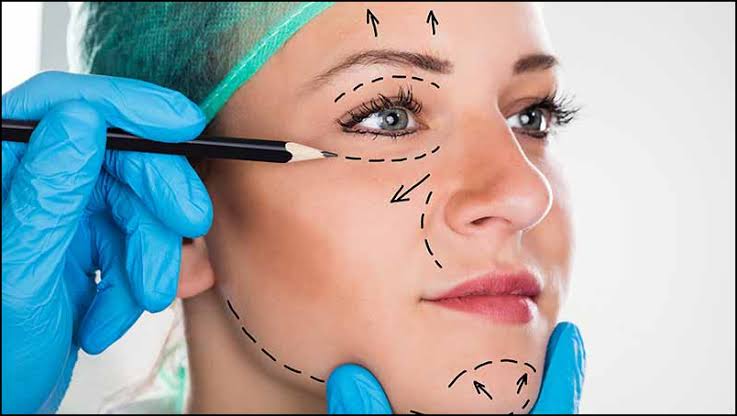
Cosmetic surgery has evolved tremendously over the last decade. Today’s procedures are safer, more precise, and capable of delivering natural-looking results when performed by experienced surgeons. Whether you are considering a facelift, liposuction, eyelid surgery, rhinoplasty, gynecomastia surgery, tummy tuck, or another cosmetic procedure, one thing remains constant—the importance of asking the right questions before moving forward.
Many people spend weeks researching the procedure itself but forget to evaluate the surgeon, the facility, the expected outcomes, and the recovery process. Cosmetic surgery is a personal investment in your appearance and confidence, making it essential to be fully informed before making any decisions.
As a cosmetic surgeon, I believe that an educated patient is more likely to enjoy a smooth surgical journey and realistic, satisfying results. During consultations at Derma Solutions, I encourage every patient to ask questions openly. There is no such thing as asking too many questions when your health and appearance are involved.
This guide will help you understand the most important questions to ask before cosmetic surgery and why each one matters.
Cosmetic surgery is elective, meaning it is usually performed by choice rather than medical necessity. Unlike emergency surgeries, you have the time to carefully evaluate every aspect of your treatment.
The consultation is not simply an appointment where the doctor examines you—it is an opportunity for both the surgeon and the patient to determine whether the procedure is appropriate.
Asking questions helps you:
Remember, the goal is not to find someone who promises perfection but someone who provides honest guidance based on your individual anatomy and goals.
This should always be your first question.
Not everyone is an ideal candidate for cosmetic surgery. A good surgeon evaluates much more than your appearance.
Factors that determine eligibility include:
For example, someone seeking liposuction should understand that the procedure is designed for body contouring rather than weight loss.
Similarly, a facelift addresses skin laxity but cannot completely stop the natural ageing process.
An ethical surgeon may even advise delaying surgery if it is not the right time or if another treatment would provide better results.
One of the biggest misconceptions surrounding cosmetic surgery is expecting perfection.
Every individual heals differently.
Skin quality, genetics, age, healing capacity, and lifestyle all influence the final outcome.
Instead of asking:
“Will I look exactly like this celebrity?”
A better question would be:
“Based on my facial structure or body type, what improvements can realistically be achieved?”
A responsible cosmetic surgeon will explain:
Understanding realistic outcomes leads to greater satisfaction after surgery.
Surgery is not always the first or only option.
Many cosmetic concerns can initially be improved with minimally invasive treatments.
Depending on your concern, alternatives may include:
For younger patients with mild skin laxity, these treatments may postpone the need for surgery.
A trustworthy surgeon discusses both surgical and non-surgical options rather than recommending surgery for everyone.
Patients often visit the clinic after researching procedures online.
However, the procedure you think you need may not actually address your concern.
For example:
A patient may request lip fillers but actually have facial volume loss that requires cheek augmentation.
Another patient may want eyelid surgery when the primary issue is drooping eyebrows.
Your surgeon should explain:
Personalized treatment planning always produces better outcomes than following trends.
Every surgery carries risks.
No ethical surgeon should tell you that a procedure is completely risk-free.
Possible complications vary depending on the surgery but may include:
Fortunately, serious complications are uncommon when surgery is performed by qualified specialists in accredited facilities and when patients carefully follow post-operative instructions.
Understanding risks does not mean you should fear surgery—it simply means you are making an informed decision.
Recovery is often underestimated.
Many patients focus entirely on the surgery itself without preparing for the healing period.
Ask your surgeon:
Different procedures have different recovery timelines.
For example:
Minor cosmetic procedures may allow patients to resume work within a few days.
A tummy tuck or facelift may require several weeks before normal activities can safely resume.
Preparing for recovery ahead of time makes the process significantly less stressful.
The surgical facility is just as important as the surgeon.
Always ask whether the procedure will be performed in:
The facility should have:
Never hesitate to ask about the safety standards of the operating facility.
A reputable cosmetic surgeon welcomes these questions.
One of the most important questions you can ask is about your surgeon’s experience. Cosmetic surgery is both a science and an art. While many surgeons may be trained to perform procedures, experience often plays a significant role in achieving safe, natural-looking, and consistent results.
During your consultation, don’t hesitate to ask questions such as:
Experience is about more than the number of surgeries performed. It also reflects the surgeon’s ability to handle different anatomies, anticipate challenges, manage complications if they arise, and deliver results that complement the patient’s natural features.
An experienced cosmetic surgeon understands that every patient is unique. Rather than following a standard approach, they create a personalized treatment plan that aligns with the patient’s goals while maintaining facial harmony or body proportions.
Photographs are among the best ways to understand a surgeon’s work.
Request to see before-and-after images of patients who had concerns similar to yours. These images should showcase real patients treated by the surgeon rather than generic internet photos.
When reviewing photographs, pay attention to:
Keep in mind that every patient heals differently, and your results may not be identical to someone else’s. However, these images can provide insight into the surgeon’s aesthetic approach and help set realistic expectations.
Many patients focus entirely on the surgery itself and forget to ask about anaesthesia, which is an equally important part of the procedure.
Depending on the surgery, your procedure may be performed under:
Your surgeon and anaesthesiologist will determine the safest option based on:
Ask questions such as:
Understanding the anaesthesia plan helps reduce anxiety and prepares you for the day of surgery.
One of the most common concerns patients have is scarring.
While every surgical procedure involves some degree of scarring, experienced cosmetic surgeons strategically place incisions where they are least noticeable.
For example:
Ask your surgeon:
Scar appearance depends on several factors, including genetics, skin type, wound care, and following post-operative instructions carefully.
Most scars gradually become lighter and less noticeable over several months.
Cosmetic surgery can produce long-lasting improvements, but no procedure can completely stop the natural ageing process.
The longevity of results depends on:
For example:
A facelift can provide rejuvenation that lasts for many years, but your face will continue to age naturally. Liposuction permanently removes fat cells from treated areas, yet future weight gain can still affect your overall body contour. Rhinoplasty typically offers permanent structural changes once healing is complete.
Ask your surgeon:
Maintaining a healthy lifestyle and following your surgeon’s advice can help preserve your outcome for as long as possible.
Cost is an important consideration, but it should never be the only deciding factor.
A significantly lower price may sometimes reflect compromises in experience, facilities, equipment, or post-operative care.
During your consultation, ask for a clear breakdown of the overall cost.
This may include:
Understanding exactly what is included helps avoid unexpected expenses later.
Remember, cosmetic surgery is an investment in your safety and long-term results. Choosing a qualified surgeon based solely on price can lead to complications that may require corrective procedures in the future.
Although most cosmetic surgeries achieve the desired outcome, healing is not always predictable.
Occasionally, minor adjustments or revision procedures may be necessary due to factors such as:
Ask your surgeon:
Having an open discussion about revision surgery demonstrates transparency and helps build trust between the patient and surgeon.
Successful cosmetic surgery begins well before the day of the procedure.
Your surgeon may recommend several steps to prepare your body for surgery and promote smoother healing.
Common pre-operative instructions include:
Proper preparation reduces the risk of complications and supports a more comfortable recovery.
Cosmetic surgery doesn’t end when you leave the operating room. Follow-up care is an essential part of your treatment journey.
Regular follow-up appointments allow your surgeon to:
Before surgery, ask:
Choosing a clinic that provides comprehensive post-operative care ensures you are supported throughout your recovery, not just during the procedure itself.
Choosing the right cosmetic surgeon is one of the most important decisions you’ll make. While cosmetic surgery has become increasingly safe and sophisticated, the quality of your experience and outcome depends greatly on the expertise of your surgeon and the standards of the clinic.
Be cautious if you notice any of the following warning signs:
No surgeon can guarantee perfection or promise that you will look exactly like a celebrity or social media influencer.
Be wary of statements such as:
An experienced cosmetic surgeon will discuss both the benefits and limitations of the procedure and help you develop realistic expectations.
Every surgical procedure carries potential risks, even when performed under ideal conditions.
If a consultation focuses only on the benefits without mentioning possible complications, recovery, or limitations, it should raise concerns.
A transparent surgeon will always explain:
Cosmetic surgery is an elective procedure, meaning you should never feel rushed.
Be cautious if you hear phrases like:
A reputable clinic encourages patients to take time to think, discuss with family if needed, and make an informed decision without pressure.
Your surgeon should answer your questions patiently and clearly.
If your concerns are dismissed or your consultation feels rushed, consider seeking a second opinion.
Good communication helps build trust and ensures you understand every stage of the surgical journey.
Always ensure that surgery is performed in a properly equipped operating theatre with appropriate safety protocols.
The clinic should maintain:
Patient safety should always come before convenience or cost.
Every face and body is unique.
If the same procedure is recommended for every patient without a detailed assessment of your anatomy, concerns, and goals, it may indicate a one-size-fits-all approach.
A comprehensive consultation should include:
With the popularity of social media and celebrity transformations, cosmetic surgery is often surrounded by misconceptions. Let’s separate myths from facts.
Fact: Cosmetic surgery is chosen by people from all walks of life. Professionals, homemakers, entrepreneurs, parents, and retirees may consider cosmetic procedures to address concerns that affect their confidence or quality of life.
Fact: Modern cosmetic surgery focuses on enhancing your natural features rather than creating dramatic or exaggerated changes.
The goal is for others to notice that you look refreshed—not that you’ve had surgery.
Fact: The number of men seeking cosmetic procedures continues to grow.
Common procedures for men include:
Many men choose cosmetic surgery to improve confidence, professional appearance, or body contour.
Fact: Cosmetic surgery can reverse certain visible signs of ageing, but it cannot stop the natural ageing process.
Healthy habits, skincare, sun protection, and maintaining a stable weight all contribute to preserving your results over time.
Fact: Most patients are surprised that discomfort is generally less severe than expected.
Advances in surgical techniques, anaesthesia, and post-operative pain management have made recovery significantly more comfortable. Mild soreness, swelling, and bruising are common, but these are usually manageable with prescribed medications and proper aftercare.
Fact: Procedures such as liposuction and tummy tuck are designed to contour the body—not replace healthy weight loss through diet and exercise.
Ideal candidates are those who are close to their target weight but have stubborn fat deposits or excess skin that does not respond to lifestyle changes.
Physical health is only one part of preparing for cosmetic surgery. Emotional readiness is equally important.
Ask yourself the following questions:
Patients who undergo surgery for personal reasons and have realistic expectations are generally more satisfied with their outcomes.
One of the most valuable conversations during your consultation is about expected outcomes.
Cosmetic surgery can:
However, it cannot:
Understanding these distinctions helps create a positive and rewarding surgical experience.
Before deciding to proceed with cosmetic surgery, make sure you have discussed the following points with your surgeon:
✔ What are your qualifications and experience?
✔ How often do you perform this procedure?
✔ Can I see before-and-after photos of your patients?
✔ What results can I realistically expect?
✔ Why is this procedure recommended for me?
✔ Are there non-surgical alternatives?
✔ What type of anaesthesia will be used?
✔ How long will the surgery take?
✔ Will this procedure be performed in a hospital or accredited surgical facility?
✔ What are the possible risks and complications?
✔ How are emergencies handled if they arise?
✔ What measures are taken to minimise infection and other complications?
✔ How long will recovery take?
✔ When can I return to work?
✔ When can I exercise again?
✔ Will I need someone to assist me at home?
✔ What restrictions should I follow after surgery?
✔ How long will swelling last?
✔ When will I see the final outcome?
✔ How long are the results expected to last?
✔ Will I need maintenance treatments or future procedures?
✔ What is included in the total surgical cost?
✔ Are follow-up visits included?
✔ What happens if revision surgery becomes necessary?
✔ Are there any additional expenses I should expect?
✔ How many follow-up appointments are planned?
✔ Who should I contact if I have concerns after surgery?
✔ What symptoms require immediate medical attention?
A thorough consultation is the foundation of a safe and successful cosmetic surgery experience. Asking these questions not only helps you make an informed decision but also builds trust with your surgeon and ensures that your treatment plan is tailored to your individual needs.
Written by: Dr. Sandeep Mahapatra
Senior Dermatologist, Hair Transplant Surgeon & Founder – Derma Solutions Skin & Hair Clinic, Bangalore
Dr. Sandeep Mahapatra is a senior dermatologist and hair transplant surgeon in Bangalore with extensive experience in dermatology, aesthetic treatments and hair restoration. As the founder of Derma Solutions Skin and Hair Clinic – Marathahalli, Bangalore , he has successfully performed over 10,000 hair transplant procedures and regularly guides patients on safe, ethical, and natural-looking hair restoration.
Medically reviewed by: Dr. Sandeep Mahapatra
Senior Dermatologist & Hair Transplant Surgeon
Date Reviewed: 2026-06-17
This article has been medically reviewed by Dr. Sandeep Mahapatra to ensure that the information is clinically accurate, patient-friendly, and aligned with safe dermatological practices. The content is intended for educational purposes and should not replace a personal consultation with a qualified dermatologist.
This article has been medically reviewed by Dr. Sandeep Mahapatra to ensure that the information is clinically accurate, patient-friendly, and aligned with safe dermatological practices. The content is intended for educational purposes and should not replace a personal consultation with a qualified dermatologist.
References
American Society of Plastic Surgeons (ASPS). Questions to Ask Your Plastic Surgeon.https://www.plasticsurgery.org/ American
Board of Cosmetic Surgery (ABCS). Preparing for Cosmetic Surgery.https://www.americanboardcosmeticsurgery.org/
American Academy of Dermatology (AAD). Cosmetic Procedures: What to Know Before Treatment.https://www.aad.org/
British Association of Aesthetic Plastic Surgeons (BAAPS). Patient Safety and Cosmetic Surgery.https://baaps.org.uk/
International Society of Aesthetic Plastic Surgery (ISAPS). Patient Safety Resources.https://www.isaps.org/