

One of the most common questions I hear in my clinic is this.
“Doctor, am I too young for anti-ageing treatments?”
Sometimes the person asking is only 26.
Sometimes they’re 35 and worried they’ve waited too long.
Others come in their 40s saying,
“I wish I had started taking care of my skin earlier.”
At Derma Solutions in Marathahalli, Bengaluru, I meet professionals from Whitefield, Bellandur, Sarjapur Road, Electronic City, HSR Layout, Indiranagar, and Koramangala almost every day.
Many spend long hours indoors.
Many work in front of computers.
Many are exposed to stress, pollution, irregular sleep, and constant screen time.
Despite using expensive skincare products, they notice changes that concern them.
Fine lines.
Pigmentation.
Loss of skin glow.
Enlarged pores.
Sagging around the jawline.
Dark circles.
Uneven skin texture.
The first reaction is often panic.
“Is my skin ageing too fast?”
The answer is usually more reassuring than people expect.
Ageing is natural.
It cannot be stopped.
But modern dermatology allows us to slow visible ageing, maintain healthy skin, and delay many changes that people associate with getting older.
The important question isn’t,“How old are you?”
The better question is, “What is your skin telling us?”
That is why anti-ageing treatment is never based on age alone.
It is based on your skin.
Your lifestyle.
Your genetics.
Your concerns.
And your long-term goals.
Many people misunderstand this term.
Anti-ageing does not mean trying to look twenty forever.
Good dermatology is never about making someone look artificial.
The goal is much simpler.
To help your skin remain:
The best anti-ageing treatment is often the one that nobody notices.
People simply say,
“You look fresh.”
“You look well-rested.”
“Your skin looks healthy.”
That is the difference between good cosmetic dermatology and overdone cosmetic procedures.
This is where I always begin during consultations.
Skin ageing is influenced by two major factors.
This is your natural biological ageing.
It happens to everyone.
As we grow older:
These are completely normal changes.
Even someone who has never stepped into the sun will experience intrinsic ageing.
This is the ageing we accelerate ourselves.
In my experience, this contributes far more than most people realise.
Common causes include:
This type of ageing is often preventable.
That is why dermatologists focus so much on prevention.
This is another question patients frequently ask.
Two people may both be 35 years old.
Yet one looks noticeably younger.
Why?
The answer lies in several factors.
Your genes influence:
Some people naturally develop wrinkles later.
Others may notice fine lines in their late twenties.
Neither is unusual.
If I had to choose one external factor that causes premature ageing, it would be ultraviolet (UV) radiation.
Years of cumulative sun exposure gradually damage collagen.
This process is called photoageing.
Many people assume sunscreen is only necessary during vacations.
In reality, everyday commuting in Bengaluru, driving, walking outdoors, or even sitting near windows exposes your skin to UV rays.
The damage is gradual.
It becomes visible years later.
Your skin reflects your daily habits.
Poor sleep.
Smoking.
Excessive alcohol.
Stress.
Skipping sunscreen.
Not removing makeup.
Using harsh skincare products.
These habits slowly affect skin quality.
The changes are subtle at first.
Eventually they become noticeable.
Many people think anti-ageing starts after forty.
Actually, healthy skin ageing begins much earlier.
Your twenties are usually when collagen production reaches its peak.
Most people still enjoy:
However, this is also when early damage begins.
Common concerns include:
This is the decade when prevention matters most.
Not correction.
Usually, aggressive cosmetic procedures are unnecessary.
Instead, I recommend building healthy skin habits.
This includes:
Evidence-based ingredients like Vitamin C, niacinamide, or retinoids when appropriate.
Professional guidance instead of social media trends.
The goal isn’t to erase wrinkles that don’t exist.
The goal is to protect collagen before significant damage occurs.
Think of it like maintaining your teeth.
You don’t wait for major decay before brushing.
Similarly, you don’t need to wait for deep wrinkles before caring for your skin.
This is often when patients first notice visible ageing.
They may say,
“Doctor, my face suddenly looks tired.”
Or,
“People ask if I’m stressed.”
Common changes include:
Fine lines around the eyes.
Mild forehead lines.
Early pigmentation.
Slight loss of skin firmness.
Dull complexion.
Uneven texture.
Early under-eye hollowness.
This happens because collagen production gradually declines every year.
The reduction is slow.
But cumulative.
Many people also experience increased work stress, hormonal changes, pregnancy, parenting responsibilities, and reduced sleep during this decade.
All of these influence skin health.
For many individuals, yes.
Not because wrinkles are severe.
But because early intervention often produces the most natural-looking results.
This doesn’t necessarily mean Botox or fillers.
Many patients benefit from:
Medical-grade skincare.
Chemical peels.
HydraFacial.
Skin boosters.
Collagen-stimulating procedures.
Lifestyle optimisation.
The right treatment depends entirely on your skin assessment.
There is no universal plan.

This is one concept I explain repeatedly.
Imagine two houses.
One receives regular maintenance every year.
The other receives no maintenance for twenty years.
Which one is easier to restore?
Skin behaves similarly.
Small interventions performed early often require less treatment later.
Waiting until significant collagen loss has occurred may require more extensive procedures.
That is why dermatologists increasingly talk about preventive dermatology rather than simply anti-ageing.
Our goal is to maintain healthy skin—not chase lost collagen after decades of neglect.
By the time patients reach their forties, skin ageing usually becomes more noticeable.
This is the decade when collagen loss becomes increasingly visible.
Patients often tell me,
“Doctor, I don’t look tired when I wake up. But by evening, my face looks exhausted.”
Or,
“My skincare products don’t seem to work anymore.”
These are common concerns.
In your forties, you may notice:
Many women also begin experiencing hormonal changes associated with perimenopause, which can further affect skin hydration, collagen production, and elasticity.
The good news is that there are several evidence-based treatments that can help maintain healthier, firmer skin.
As we move into our fifties and sixties, ageing becomes more structural rather than superficial.
This means that changes occur not only in the skin but also in:
This explains why the face gradually appears less defined.
Many people notice:
At this stage, skincare alone is usually not enough.
Patients often benefit from combining different treatment modalities depending on their goals and skin condition.
If there is one message I want readers to remember, it is this:
Anti-ageing treatments should not be based on your birthday.
They should be based on your skin.
I have patients in their late twenties who have significant sun damage.
I also have patients in their forties with remarkably healthy skin who require very little intervention.
Treatment decisions depend on:
Good dermatology is personalised.
There is no one-size-fits-all solution.
I often explain this distinction during consultations.
These aim to slow ageing before significant damage occurs.
Examples include:
These treatments help preserve healthy skin.
These are used after visible ageing develops.
Examples include:
The earlier appropriate preventive care begins, the less corrective intervention many patients may require later.
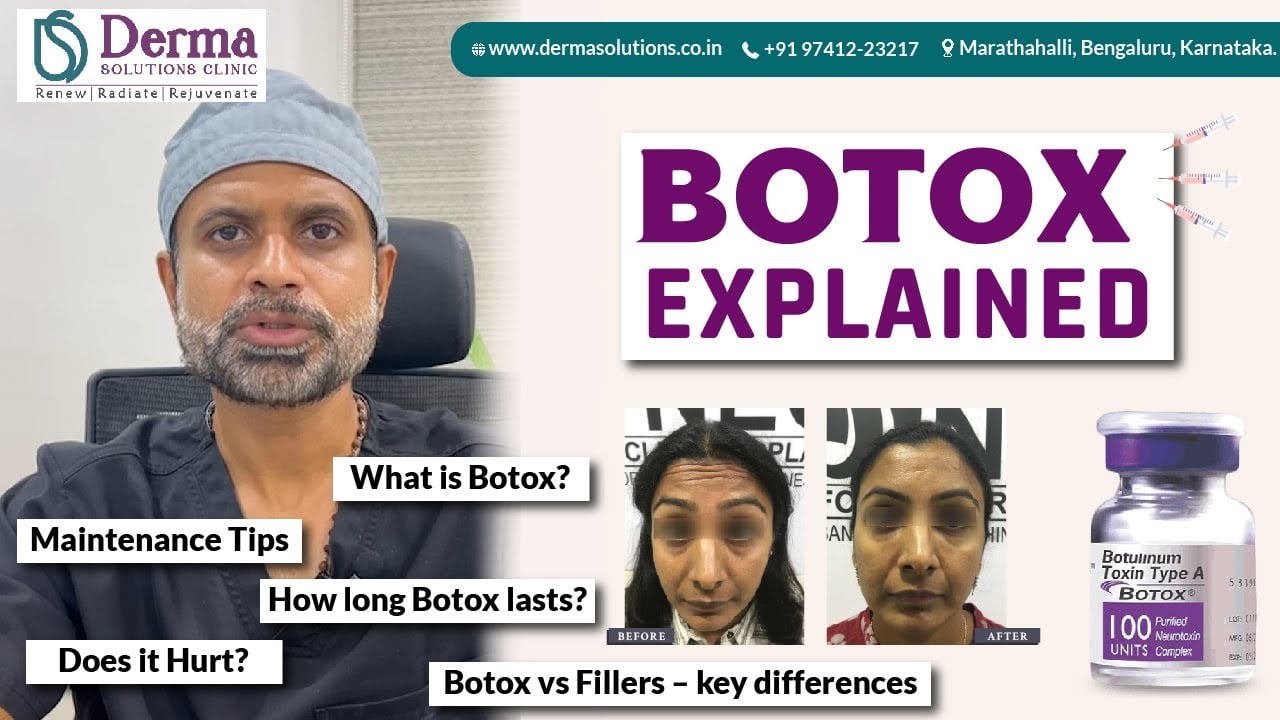
Botox is probably one of the most misunderstood aesthetic treatments.
Many people believe Botox is only for older individuals.
Others worry it will make the face expressionless.
Neither is necessarily true.
Botox works by relaxing selected facial muscles that repeatedly create dynamic wrinkles.
It is commonly used for:
Some patients start Botox in their late twenties or early thirties.
Others never need it.
The decision depends on:
The goal should never be to freeze your face.
A well-performed Botox treatment allows natural expressions while reducing excessive muscle movement that contributes to wrinkle formation.
Many people associate fillers only with fuller lips.
In reality, dermal fillers have many medical and aesthetic applications.
As we age, facial fat naturally decreases.
This leads to:
Dermal fillers restore lost volume.
The objective is balance.
Not exaggeration.
Natural-looking filler treatments should never make someone appear “different.”
Instead, they should help restore youthful facial proportions while preserving individuality.
Skin boosters have become increasingly popular because they improve overall skin quality rather than simply adding volume.
Unlike fillers, skin boosters are designed to improve:
Many professionals in Bengaluru choose skin boosters because they involve minimal downtime and produce subtle, natural improvements.
They are especially useful for:
Many people think chemical peels are only for acne.
Actually, they are valuable anti-ageing treatments as well.
A dermatologist-selected chemical peel may help improve:
Different peels work at different depths.
This is why professional assessment is important.
Using inappropriate peels at home can damage the skin barrier and worsen pigmentation, especially in Indian skin.
One of the most effective collagen-stimulating procedures available today is Fractional CO2 Laser.
It works by creating controlled microscopic injuries in the skin.
This stimulates the body’s natural healing response.
New collagen forms over time.
Fractional CO2 Laser is commonly used for:
Because it is a more intensive procedure, proper patient selection and aftercare are essential.
HIFU (High-Intensity Focused Ultrasound) has become increasingly popular among patients seeking skin tightening without surgery.
It works by delivering focused ultrasound energy to deeper tissue layers.
This stimulates collagen production over several months.
HIFU may be recommended for:
Results are gradual.
Patients should understand that HIFU does not replace a surgical facelift.
It is best suited for mild to moderate skin laxity.

Radiofrequency (RF) treatments use controlled heat to stimulate collagen remodeling.
Many patients appreciate RF because it involves minimal downtime.
RF may help improve:
For some individuals, RF is combined with microneedling to enhance collagen stimulation.
Combination treatments often provide better outcomes than relying on a single procedure.
Thread lifts are designed for carefully selected patients with mild to moderate skin laxity.
Special dissolvable threads are placed beneath the skin.
They provide immediate lifting while also stimulating collagen formation.
Thread lifts may improve:
However, they are not suitable for everyone.
Patients with significant skin laxity may achieve better results through surgical procedures.
Proper consultation is therefore essential.
No cosmetic procedure can replace a good skincare routine.
Regardless of age, every anti-ageing plan should begin with healthy skin.
Some ingredients supported by scientific evidence include:
Often considered the gold standard for improving:
A powerful antioxidant that helps:
Excellent for:
Helps maintain hydration.
Well-hydrated skin generally appears smoother and healthier.
If I could recommend only one anti-ageing product, it would be sunscreen.
Daily sunscreen helps reduce:
It is one of the simplest and most effective ways to protect your skin over the long term.
Social media introduces new skincare trends almost every week.
Some are harmless.
Some are ineffective.
Some can seriously damage your skin.
I frequently see patients who have developed:
after trying DIY treatments or products recommended by influencers.
Remember:
What works for one person may not work for another.
Professional advice is always safer than internet trends.
One thing I always tell my patients is this.
No treatment can outperform an unhealthy lifestyle.
Even the most advanced laser, injectable, or skin rejuvenation procedure has limitations if your daily habits continue to damage your skin.
Healthy skin begins long before you enter a dermatology clinic.
Here are the lifestyle habits I encourage every patient to follow.
This is the single most important anti-ageing habit.
Ultraviolet (UV) radiation is one of the leading causes of premature skin ageing.
Daily sunscreen helps reduce:
Even on cloudy days or while driving, your skin is exposed to UV radiation.
Choose a broad-spectrum sunscreen with SPF 30 or higher and reapply it every two to three hours if you’re outdoors.
Your skin repairs itself while you sleep.
Poor sleep is associated with:
Aim for seven to eight hours of quality sleep each night.
There is no magical anti-ageing food.
However, a balanced diet rich in antioxidants, vitamins, healthy fats, and protein supports healthy skin.
Include:
Limiting excessive sugar may also help reduce glycation, a process that contributes to collagen damage over time.
Hydration alone will not eliminate wrinkles.
However, well-hydrated skin generally looks healthier, smoother, and more radiant.
Smoking accelerates skin ageing by reducing blood flow and damaging collagen and elastin.
Long-term smokers often develop:
Stopping smoking benefits both your skin and overall health.
Chronic stress affects more than mental well-being.
It can worsen:
Stress may also contribute to dullness and premature ageing.
Simple practices such as regular exercise, meditation, and adequate sleep can help.
Many patients invest in expensive skincare but unknowingly make mistakes that prevent good results.
Some of the most common include:
Patients often ask about treatment only after significant wrinkles or sagging have developed.
Earlier intervention is usually simpler and more conservative.
Not every viral product is suitable for Indian skin.
Using multiple active ingredients without guidance can damage the skin barrier.
Many patients use vitamin C, retinol, and expensive serums but neglect sunscreen.
Without sun protection, these products cannot deliver their full long-term benefits.
Collagen takes time to rebuild.
Most anti-ageing treatments require patience.
Natural-looking improvements are gradual.
Aesthetic procedures are medical treatments.
The expertise of the dermatologist is often more important than finding the lowest price.
Always choose qualified professionals who prioritise safety and realistic outcomes.
Every patient’s skin tells a different story.
That is why no two treatment plans should be identical.
When someone visits Derma Solutions, my consultation begins with listening.
I ask questions such as:
Next, I carefully assess the skin.
This includes evaluating:
Based on this assessment, we discuss the most appropriate treatment options.
Sometimes the answer is simply improving skincare and sun protection.
Sometimes medical-grade skincare is enough.
Other patients may benefit from treatments such as:
The objective is always the same.
Natural, healthy-looking skin.
Not dramatic changes.
Not artificial results.
A good anti-ageing treatment should enhance your appearance while preserving your individuality.
One misconception I often hear is:
“Doctor, can I get one treatment that lasts forever?”
Unfortunately, ageing doesn’t stop.
Skin continues to change throughout life.
That is why anti-ageing should be viewed as an ongoing maintenance plan rather than a single procedure.
Small, consistent improvements often produce the most natural long-term results.
If you’re wondering whether it’s the right time to start, my advice is simple.
Don’t compare yourself with others.
Don’t rely solely on influencers.
Don’t assume expensive skincare is automatically better.
Don’t wait until skin damage becomes severe.
Instead:
Understand your skin.
Protect it every day.
Seek professional advice when needed.
Focus on healthy ageing rather than chasing perfection.
The goal isn’t to look like someone else.
The goal is to look like the healthiest version of yourself.
There is no fixed age.
Most people benefit from preventive skincare in their twenties and early thirties.
Procedures such as Botox, skin boosters, or collagen-stimulating treatments are recommended only when clinically appropriate after a dermatologist’s assessment.
Not necessarily.
Preventive skincare, sunscreen, antioxidants, and retinoids may be beneficial.
Most 25-year-olds do not require injectables unless there are specific concerns.
Collagen production generally begins to decline gradually in the mid-to-late twenties, with more noticeable changes during the thirties and forties.
When performed appropriately by an experienced dermatologist, the goal is subtle enhancement—not an artificial appearance.
Natural-looking results should preserve your facial expressions and individuality.
Botox has been used medically for decades and is considered safe when administered by qualified medical professionals using appropriate doses.
Most modern hyaluronic acid fillers are temporary and gradually break down over time.
They are designed to restore lost volume, not permanently alter facial structure.
Some treatments, such as Botox and dermal fillers, produce visible improvements relatively quickly.
Collagen-stimulating treatments like HIFU, radiofrequency, and fractional laser develop gradually over several weeks to months.
Good skincare significantly slows visible signs of ageing but cannot completely prevent the natural ageing process.
Healthy lifestyle habits and sun protection remain essential.
Yes.
Ultraviolet rays can pass through windows, and incidental daily sun exposure contributes to cumulative skin damage.
Daily sunscreen is recommended regardless of whether you spend most of your time indoors or outdoors.
Most modern procedures involve minimal discomfort.
Topical numbing creams and advanced techniques help improve patient comfort during treatment.
This varies depending on the treatment.
Some procedures last several months, while collagen-stimulating treatments may provide longer-lasting improvements with maintenance sessions.
Absolutely.
An increasing number of men seek treatment for wrinkles, pigmentation, skin laxity, and overall skin rejuvenation.
Treatment plans are customised according to individual goals and facial anatomy.
This depends on your skin concerns and treatment plan.
Many patients benefit from an annual skin assessment, while others undergoing active treatment may require periodic follow-up visits.
Yes.
Daily sun protection, balanced nutrition, quality sleep, stress management, regular exercise, and avoiding smoking all contribute to healthier skin over time.
There is no universal answer.
The most appropriate treatment depends on your skin condition, age, medical history, expectations, and clinical examination by a qualified dermatologist.
Ageing is inevitable.
Premature ageing is not.
The best anti-ageing treatment isn’t about chasing youth.
It’s about maintaining healthy skin, protecting collagen, and making informed decisions at the right time.
At Derma Solutions in Marathahalli, Bengaluru, my philosophy is simple.
Understand your skin before treating it.
Protect it before correcting it.
Choose evidence-based treatments.
Focus on natural results.
And remember—
The most successful anti-ageing treatment is often the one that allows people to notice you, not your procedure.

Written by: Dr. Sandeep Mahapatra
Senior Dermatologist, Hair Transplant Surgeon & Founder – Derma Solutions Skin & Hair Clinic, Bangalore. | Dr. Sandeep Mahapatra is a senior dermatologist and hair transplant surgeon in Bangalore with extensive experience in dermatology, aesthetic treatments and hair restoration. As the founder of Derma Solutions Skin and Hair Clinic – Marathahalli, Bangalore , With extensive experience in aesthetic dermatology, he has performed 50,000+ laser hair removal treatments, 40,000+ chemical peels, 4,000+ Botox procedures, 2,000+ dermal filler treatments, and 3,000+ vitiligo treatments, helping patients achieve safe, natural-looking, and evidence-based skin and facial rejuvenation results.
Medically reviewed by: Dr. Sandeep Mahapatra
Senior Dermatologist & Hair Transplant Surgeon
Date Reviewed: 2026-06-29
This article has been medically reviewed by Dr. Sandeep Mahapatra to ensure Blog Author & Medical Reviewer