Table of Contents
Pigmentation is one of the most common concerns that brings patients to my clinic. Whether it appears as melasma, acne marks, sunspots, or uneven skin tone, pigmentation can affect confidence and make the skin appear dull and aged. Many patients tell me that they have tried numerous creams, home remedies, and over-the-counter products without seeing lasting results.
The truth is that pigmentation is often more complex than it appears. Effective treatment requires understanding the underlying cause, choosing the right treatment strategy, and maintaining a long-term skincare routine. As a dermatologist, my approach is always to identify the root cause of pigmentation and create a customized treatment plan that delivers safe, natural-looking, and long-lasting results.
In this article, I will answer some of the most frequently asked questions about pigmentation and explain the treatment options available to help you achieve clearer, healthier-looking skin.
What Causes Pigmentation?
Pigmentation occurs when melanocytes, the cells responsible for producing melanin, become overactive and produce excess pigment in certain areas of the skin.
Several factors can contribute to pigmentation:
Excessive Sun Exposure
The sun is one of the biggest triggers of pigmentation. Ultraviolet (UV) radiation stimulates melanin production as a natural protective response. Over time, this can lead to dark patches, sunspots, and uneven skin tone.
Hormonal Changes
Hormonal fluctuations are a common cause of pigmentation, particularly in women. Pregnancy, birth control pills, menopause, and hormonal disorders can trigger conditions such as melasma.
Acne and Skin Inflammation
Any inflammation in the skin can leave behind dark marks once it heals. This condition is known as post-inflammatory hyperpigmentation (PIH) and is commonly seen after acne breakouts.
Genetic Factors
Some individuals are naturally more prone to pigmentation due to their genetic makeup.
Certain Medications
Certain medications can increase the skin’s sensitivity to sunlight, making pigmentation more likely.
Lifestyle Factors
Stress, inadequate sleep, smoking, and poor skincare habits can contribute to worsening pigmentation and delayed skin healing.
Understanding the cause of pigmentation is essential because successful treatment depends on addressing the underlying trigger.
What Is Melasma?
Melasma is a chronic pigmentation disorder that appears as symmetrical brown or grayish patches on the face. It most commonly affects the cheeks, forehead, nose, upper lip, and chin.
Melasma is especially common among women with darker skin tones and is often associated with:
- Pregnancy
- Hormonal contraceptives
- Hormone replacement therapy
- Thyroid disorders
- Sun exposure
One of the reasons melasma can be challenging to treat is that the pigment often extends deeper into the skin. This means treatment must be carefully planned and combined with strict sun protection to achieve the best results.
Although melasma is not harmful, it can significantly affect a person’s confidence and quality of life.
Why Does Pigmentation Recur?
This is one of the most common questions I hear from patients.
Pigmentation frequently recurs because the factors that triggered it may still be present. Even after successful treatment, melanocytes can become active again.
Common reasons for recurrence include:
Inadequate Sun Protection
Even brief exposure to sunlight can reactivate pigment production.
Hormonal Influences
Conditions like melasma often return if hormonal triggers continue.
Discontinuing Maintenance Treatment
Many patients stop using prescribed skincare products once they notice improvement. Unfortunately, pigmentation often returns without proper maintenance.
Heat Exposure
Heat from cooking, steam rooms, saunas, and hot environments can aggravate melasma.
Skin Irritation
Using harsh skincare products or undergoing inappropriate cosmetic procedures can trigger inflammation and worsen pigmentation.
For this reason, I always emphasize that pigmentation management is a long-term commitment rather than a one-time treatment.
How Is Pigmentation Diagnosed?
Before recommending any treatment, I perform a thorough skin evaluation to determine the exact type and depth of pigmentation.
Diagnosis typically involves:
Detailed Clinical Assessment
I evaluate:
- The pattern of pigmentation
- Skin type
- Medical history
- Hormonal factors
- Previous treatments
- Sun exposure habits
Wood’s Lamp Examination
This special light helps determine whether pigmentation is located in the superficial or deeper layers of the skin.
Dermoscopy
Dermoscopy allows detailed visualization of pigmentation patterns and helps guide treatment decisions.
Laboratory Investigations
In selected cases, hormonal or thyroid evaluations may be recommended.
Accurate diagnosis is critical because different types of pigmentation respond differently to treatment.
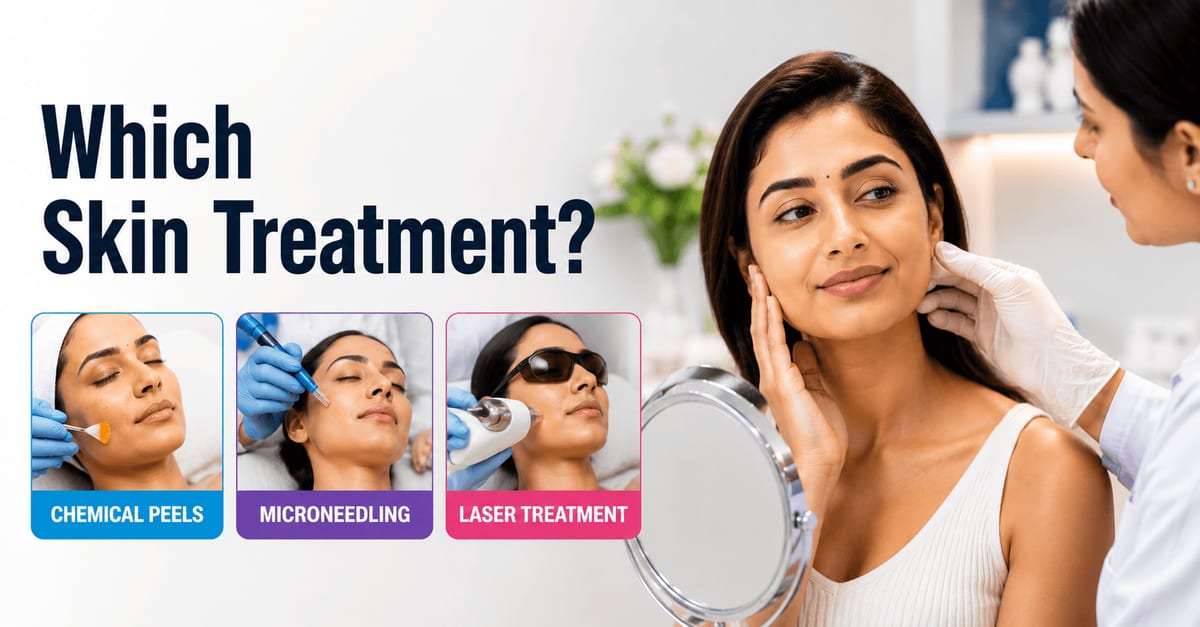
Which Laser Treatments Are Effective?
Advances in laser technology have significantly improved our ability to treat stubborn pigmentation.
At my clinic, treatment selection depends on the patient’s skin type, pigmentation depth, and underlying cause.
Q-Switched Nd Laser
This laser targets excess melanin while minimizing damage to surrounding tissues.
Benefits include:
- Effective pigment reduction
- Minimal downtime
- Suitable for many pigmentation conditions
- Safe for Indian skin types when performed correctly
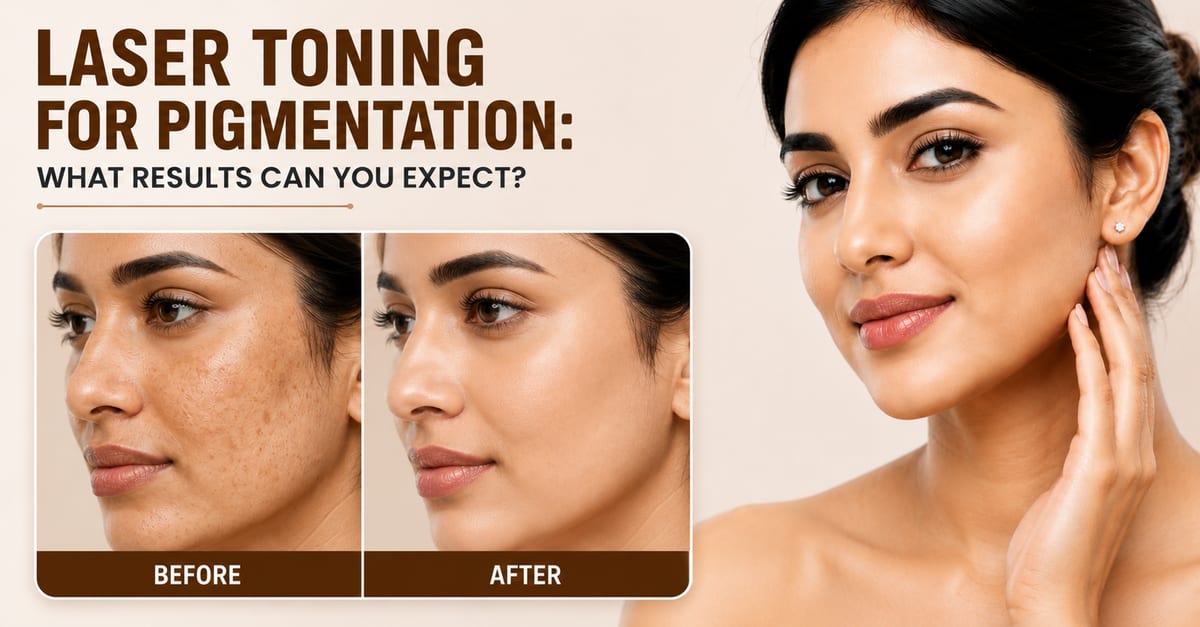
Laser Toning
Laser toning uses low-energy laser pulses delivered over multiple sessions.
It is particularly useful for:
- Melasma
- Diffuse pigmentation
- Uneven skin tone
Pico Laser Technology
Pico lasers break down pigment particles into extremely fine fragments that the body can eliminate more efficiently.
Advantages include:
- Faster results
- Less heat generation
- Reduced risk of complications
- Improved skin rejuvenation
Fractional Laser Treatments
Fractional lasers can be beneficial for patients with pigmentation associated with acne scars or skin texture concerns.
Laser treatments should always be performed by qualified dermatologists, as inappropriate settings can sometimes worsen pigmentation.
Are Chemical Peels Useful?
Absolutely.
Chemical peels remain one of the most effective and versatile treatments for pigmentation.
These treatments gently exfoliate damaged skin layers and stimulate the growth of healthier skin cells.
Common peels used for pigmentation include:
Glycolic Acid Peels
Helpful for:
- Mild pigmentation
- Dull skin
- Uneven skin tone
Salicylic Acid Peels
Ideal for:
- Acne-prone skin
- Post-acne pigmentation
Mandelic Acid Peels
Suitable for:
- Sensitive skin
- Melasma
- Darker skin tones
Lactic Acid Peels
Beneficial for:
- Mild pigmentation
- Sensitive skin
- Skin hydration
Most patients require a series of peel sessions to achieve optimal results. When combined with proper skincare, chemical peels can significantly improve skin brightness and clarity.
Can Pigmentation Be Completely Removed?
Patients often ask whether pigmentation can be cured permanently.
The answer depends on the type of pigmentation.
Superficial Pigmentation
Sunspots and recent post-inflammatory pigmentation may fade significantly and sometimes disappear completely.
Melasma and Deep Pigmentation
Melasma is generally considered a chronic condition. While we can achieve remarkable improvement, ongoing maintenance is usually required to prevent recurrence.
My goal is always to:
- Reduce visible pigmentation
- Improve overall skin tone
- Prevent future pigmentation
- Maintain long-term results
Many patients experience dramatic improvement when they follow a personalized treatment plan consistently.
What Skincare Products Help?
Medical-grade skincare plays a vital role in treating and preventing pigmentation.
Some of the most effective ingredients include:
Vitamin C
A powerful antioxidant that brightens the skin and protects against environmental damage.
Niacinamide
Helps reduce pigment transfer while improving skin barrier function.
Azelaic Acid
Particularly effective for melasma and post-inflammatory pigmentation.
Kojic Acid
Helps suppress melanin production and brighten the skin.
Alpha Arbutin
A gentle pigment-reducing ingredient suitable for long-term use.
Retinoids
Promote cell turnover and gradually fade pigmentation.
Tranexamic Acid
Increasingly used in the treatment of stubborn melasma and resistant pigmentation.
The ideal skincare routine should always be customized according to individual skin needs and sensitivity levels.
How Important Is Sun Protection?
If I had to choose one step that makes the biggest difference in pigmentation treatment, it would be sunscreen.
Without adequate sun protection, even the most advanced laser treatments and skincare products may not deliver lasting results.
I recommend:
- Broad-spectrum sunscreen
- SPF 50 or higher
- PA+++ or PA++++ protection
- Daily use regardless of weather conditions
Sunscreen should be reapplied every two to three hours during prolonged outdoor exposure.
In addition to sunscreen, protective measures such as hats, sunglasses, and umbrellas can further reduce UV-induced pigmentation.
How Long Does Treatment Take?
Pigmentation treatment requires patience and consistency.
The timeline varies depending on the type and severity of pigmentation.
Mild Pigmentation
Visible improvement may occur within 4 to 8 weeks.
Moderate Pigmentation
Results often become noticeable within 2 to 4 months.
Melasma
Melasma typically requires 3 to 6 months of treatment and ongoing maintenance.
Laser Treatments
Most patients benefit from multiple sessions spaced several weeks apart.
Chemical Peels
A series of 4 to 8 sessions is commonly recommended.
The best outcomes are achieved when patients combine professional treatments with diligent skincare and sun protection.
My Approach to Treating Stubborn Pigmentation
Every patient’s skin is unique, which is why there is no one-size-fits-all solution for pigmentation.
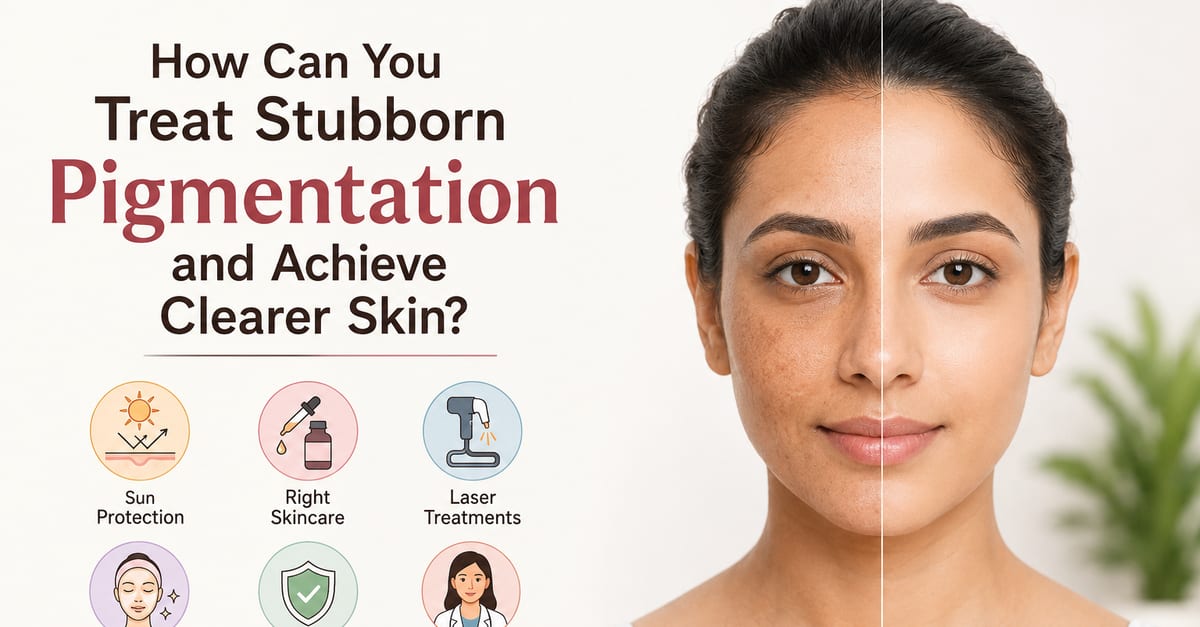
My treatment plans typically combine:
- Detailed skin analysis
- Medical-grade skincare
- Advanced chemical peels
- Laser therapies when indicated
- Lifestyle guidance
- Strict sun protection protocols
By addressing pigmentation from multiple angles, we can achieve more predictable, natural-looking, and long-lasting results.
Final Thoughts
Pigmentation can be frustrating, especially when it persists despite multiple treatments. However, with accurate diagnosis, advanced dermatological treatments, and a personalized skincare regimen, significant improvement is achievable.
Whether you are struggling with melasma, acne marks, sunspots, or uneven skin tone, early intervention and expert guidance can make a remarkable difference. The key is to treat pigmentation scientifically rather than relying on temporary solutions.
As a dermatologist, my goal is not only to lighten pigmentation but also to help patients achieve healthier, brighter, and more confident skin for the long term.