
One of the most common concerns I hear isn’t about wrinkles.
Or pigmentation.
Or acne.
Instead, patients often tell me,
“Doctor, my skin looks dull.”
Some say,
“No matter how much moisturiser I use, my face still feels dry.”
Others tell me,
“The skin under my eyes looks crepey and dehydrated.”
Many are surprised when I explain that what they’re experiencing isn’t always a lack of skincare.
It’s often a loss of skin hydration from within.
Healthy skin depends on much more than moisturisers.
It relies on collagen, elastin, hyaluronic acid, and an intact skin barrier.
As we age, these natural components gradually decline.
The result?
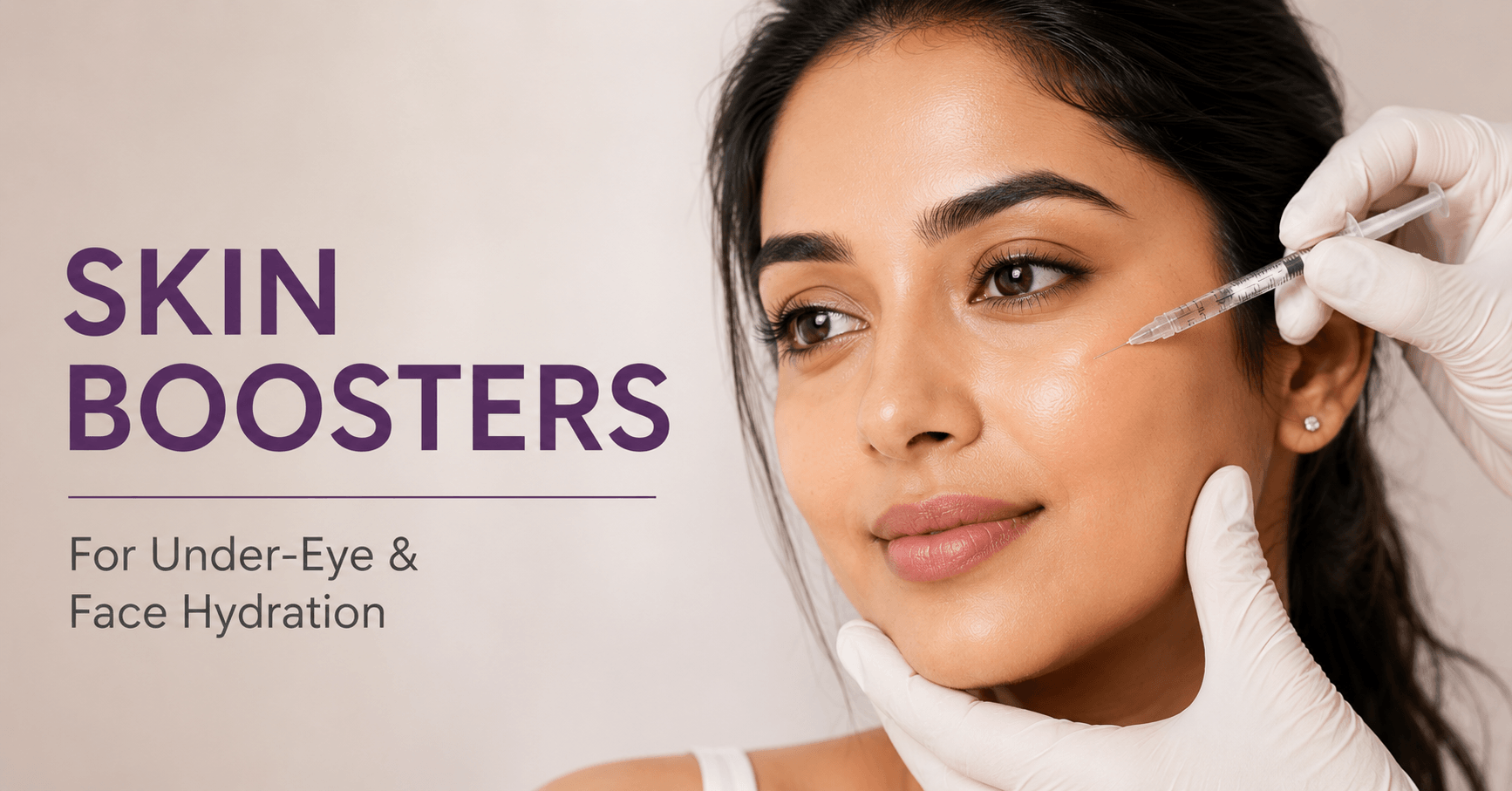
This is where skin boosters have become one of the most exciting advances in modern cosmetic dermatology.
Unlike fillers, which restore volume, or Botox, which relaxes muscles, skin boosters focus on improving overall skin quality and hydration.
Skin boosters are injectable treatments designed to improve the quality of the skin rather than change facial shape.
They deliver hydrating substances—most commonly hyaluronic acid—into the deeper layers of the skin.
Hyaluronic acid is naturally present in our body.
One of its remarkable properties is its ability to attract and retain water.
When delivered into the skin through carefully placed microinjections, it helps improve:
Unlike dermal fillers, skin boosters do not create noticeable facial volume.
Instead, they work quietly beneath the surface to improve skin health.
Many people believe drinking more water alone will solve dry skin.
Hydration is important.
But skin dehydration is influenced by many factors.
These include:
Over time, the skin loses its ability to retain moisture effectively.
This is why topical creams sometimes provide only temporary improvement.
Skin boosters work beneath the skin’s surface.
Tiny amounts of hyaluronic acid are placed strategically within the dermis.
Once injected, they:
The treatment does not make the face look “filled.”
Instead, it helps the skin behave like younger, healthier skin.
This makes skin boosters particularly attractive for patients seeking subtle, natural improvements.
Skin boosters are remarkably versatile.
Common treatment areas include:
To improve:
The under-eye area has some of the thinnest skin on the body.
Loss of hydration here often causes:
Selected skin boosters can improve hydration and skin quality in this delicate area.
However, proper patient selection is important.
Not every under-eye concern requires injectable treatment.
Neck skin often shows early signs of ageing.
Skin boosters may improve hydration and skin texture.
Hands frequently reveal age through dryness and loss of skin quality.
Hydration-focused treatments may help restore a smoother appearance.
Patients often expect dramatic changes.
Instead, skin boosters produce gradual, natural improvements.
They may help with:
The goal is healthier skin—not a different face.
No.
This is one of the biggest misconceptions.
Although both may contain hyaluronic acid, they are designed for different purposes.
Think of fillers as improving facial structure.
Think of skin boosters as improving skin quality.

Patients often ask,
“Why can’t I just use a good moisturiser?”
A moisturiser works on the skin surface.
It strengthens the skin barrier and reduces water loss.
Skin boosters work within the skin itself.
Because they are injected into deeper layers, they provide hydration that topical products cannot achieve.
The two treatments are complementary—not competitors.
Daily skincare remains essential.
Skin boosters are suitable for many adults who notice:
Many patients begin treatment in their late twenties or thirties as part of preventive skin care.
Others choose them later to improve overall skin quality alongside anti-ageing treatments.
The decision should always be individualised.
Unlike dramatic cosmetic procedures, skin boosters focus on maintaining healthy skin.
This appeals to younger professionals who want to look refreshed without obvious cosmetic changes.
Many patients from Whitefield, Bellandur, Sarjapur Road, Electronic City, HSR Layout, and Marathahalli tell me the same thing:
“I don’t want to look different.”
“I just want healthier skin.”
That is precisely where skin boosters excel.
Every patient’s skin is different.
Some need hydration.
Some need collagen stimulation.
Some need pigment treatment.
Others need medical skincare rather than injectables.
During consultation, I assess:
Only then do we decide whether skin boosters are the right option.
Healthy skin always starts with the correct diagnosis—not simply the latest treatment trend.
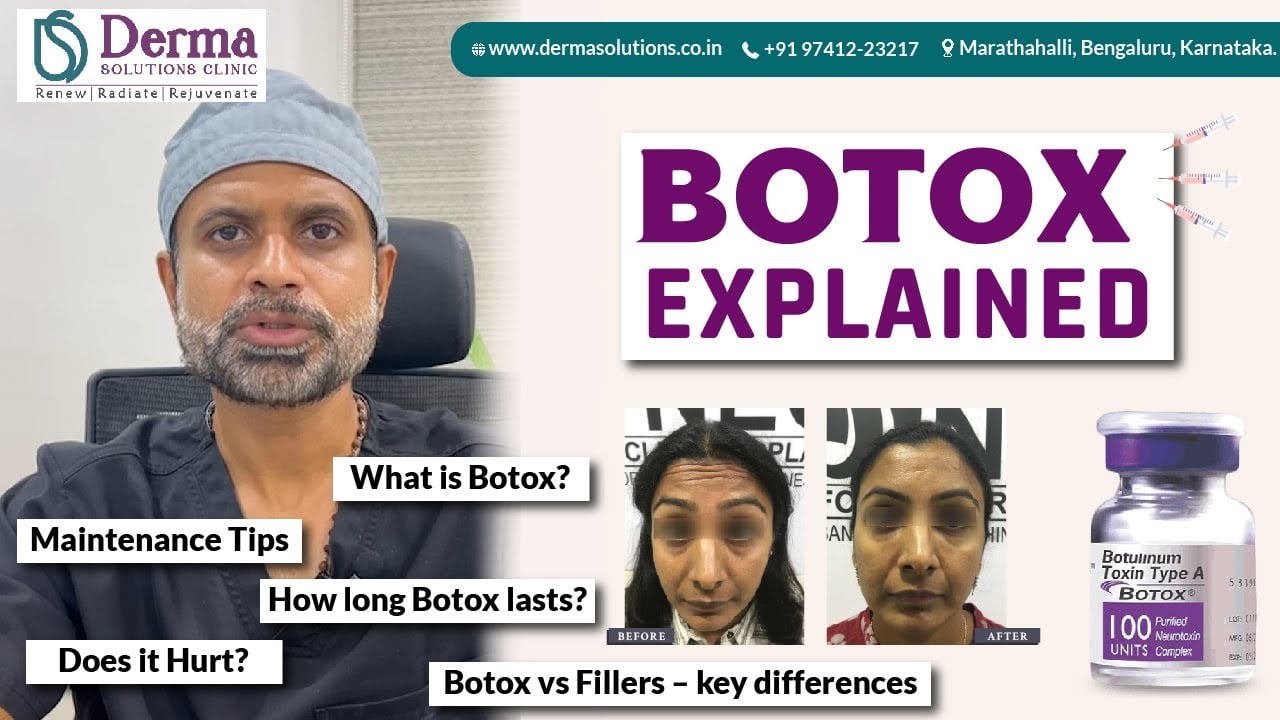
Patients often confuse skin boosters with Botox because both are injectable treatments.
However, they work in completely different ways.
Skin boosters improve:
They do not relax facial muscles.
Botox works by temporarily relaxing selected facial muscles responsible for expression lines.
It is commonly used for:
Botox improves wrinkles caused by muscle movement, whereas skin boosters improve the overall quality and hydration of the skin.
Many patients benefit from combining both treatments because they address different concerns.
Another common question is:
“Should I choose PRP or skin boosters?”
Both treatments aim to improve skin quality, but they work differently.
PRP uses growth factors obtained from your own blood.
It may help stimulate:
Skin boosters primarily focus on:
Patients with dehydrated, dull skin often benefit from skin boosters, while PRP may be recommended when collagen stimulation and tissue regeneration are the primary goals.
Sometimes both treatments are combined as part of a personalised rejuvenation plan.
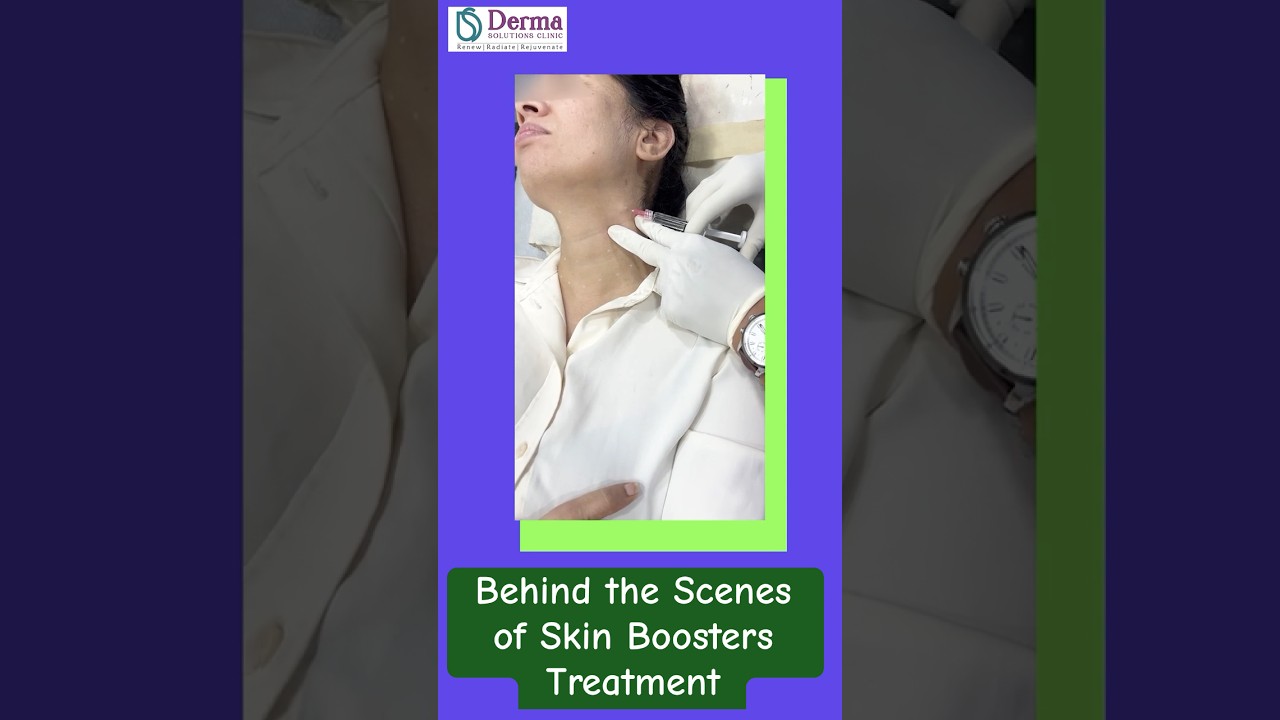
The treatment is usually straightforward.
After cleansing the skin, a topical numbing cream may be applied for comfort.
Using fine needles or specialised injection techniques, tiny amounts of the skin booster are placed into carefully selected areas.
The procedure generally takes around 30 to 45 minutes, depending on the treatment area.
Most patients tolerate the treatment well.
Following the procedure, you can usually return home immediately.
One reason skin boosters have become increasingly popular is their minimal downtime.
You may notice:
These effects generally settle within a few days.
Your dermatologist may recommend avoiding:
Following post-treatment instructions helps optimise results.
Unlike fillers, which often provide immediate volume, skin boosters produce gradual improvements.
Many patients notice:
Since collagen remodelling takes time, the skin continues improving over several weeks after treatment.
This depends on several factors, including:
Many patients undergo an initial series of treatments followed by maintenance sessions as recommended by their dermatologist.
The exact treatment plan should always be personalised after clinical evaluation.
Skin boosters may be suitable for people who notice:
They are suitable for both women and men seeking healthier-looking skin without altering facial shape.
Although skin boosters are considered safe when performed by qualified professionals, treatment may not be appropriate for everyone.
Your dermatologist may advise postponing or avoiding treatment if you have:
A proper consultation ensures treatment is both safe and appropriate.
No.
This is another common misconception.
Skin boosters complement—not replace—good skincare.
Healthy skin still requires:
Think of skin boosters as supporting skin health from within while topical skincare protects the skin from the outside.
False.
Unlike volumising fillers, skin boosters are designed to improve hydration and skin quality rather than increase facial volume.
False.
Ageing is a continuous process.
Maintenance treatments may be recommended depending on your skin condition and goals.
False.
Injectable treatments and topical skincare work together.
Daily skincare remains essential.
False.
Many younger adults choose skin boosters to maintain healthy skin and delay early signs of ageing.
False.
Botox, fillers, skin boosters, PRP, and collagen stimulators all have different purposes.
A personalised consultation helps determine which treatment is most appropriate.
Every consultation begins with understanding your concerns.
I ask questions such as:
I then assess:
Only after a detailed assessment do we decide whether skin boosters—or another treatment—would provide the greatest benefit.
Sometimes, improving skincare alone may be enough.
Other patients benefit from injectable hydration combined with lasers, chemical peels, or collagen-stimulating procedures.
Every treatment plan is customised.
Don’t chase glowing skin through social media trends alone.
Healthy skin begins with understanding what your skin truly needs.
Sometimes the answer is sunscreen.
Sometimes it is better skincare.
Sometimes it is hydration.
Sometimes it is collagen stimulation.
And sometimes, skin boosters become an excellent addition to a comprehensive skin health plan.
Choose treatments based on science—not hype.
Skin boosters are injectable treatments that improve skin hydration, elasticity, and texture using ingredients such as hyaluronic acid.
No.
Skin boosters improve skin quality, while dermal fillers restore facial volume and contour.
Selected skin boosters may improve hydration and skin quality in carefully chosen patients with mild under-eye crepiness and dehydration.
Yes.
They are suitable for all skin types, including Indian skin, when performed by a qualified dermatologist.
Results vary depending on the product used, individual metabolism, and maintenance schedule.
Your dermatologist will recommend an appropriate treatment plan.
Most patients tolerate the treatment well.
A topical numbing cream is often applied beforehand to improve comfort.
The number of sessions depends on your skin condition and treatment goals.
Many patients benefit from an initial treatment course followed by maintenance sessions.
No.
They complement topical skincare but do not replace daily moisturisers and sunscreen.
Absolutely.
Many men choose skin boosters to improve hydration, skin texture, and overall skin quality.
Downtime is usually minimal.
Most patients experience only mild redness or swelling that resolves within a few days.
They may improve fine dehydration lines by enhancing skin hydration and elasticity.
Deep wrinkles usually require different treatment approaches.
Yes.
Many patients combine skin boosters with Botox because the two treatments address different concerns.
Yes.
A dermatologist may recommend combination treatments depending on your skin concerns and treatment goals.
Many patients notice improved hydration within the first week, with continued improvement in skin quality over the following weeks.
A consultation with an experienced dermatologist is the best way to determine whether skin boosters or another treatment is most appropriate for your skin.
Healthy skin is not simply about looking younger.
It is about maintaining strong, hydrated, resilient skin that reflects overall skin health.
Skin boosters represent an important advancement in aesthetic dermatology because they focus on improving skin quality rather than changing facial appearance.
For patients experiencing dullness, dehydration, early fine lines, or tired-looking skin, they can become an excellent part of a personalised skin rejuvenation plan.
At Derma Solutions, every treatment begins with careful evaluation—not assumptions.
My approach is to understand your skin, identify the underlying cause of your concerns, and recommend only those treatments that genuinely benefit you.
Natural, healthy-looking skin should always be the goal.

Written by: Dr. Sandeep Mahapatra
Senior Dermatologist, Hair Transplant Surgeon & Founder – Derma Solutions Skin & Hair Clinic, Bangalore. | Dr. Sandeep Mahapatra is a senior dermatologist and hair transplant surgeon in Bangalore with extensive experience in dermatology, aesthetic treatments and hair restoration. As the founder of Derma Solutions Skin and Hair Clinic – Marathahalli, Bangalore , With extensive experience in aesthetic dermatology, he has performed 50,000+ laser hair removal treatments, 40,000+ chemical peels, 4,000+ Botox procedures, 2,000+ dermal filler treatments, and 3,000+ vitiligo treatments, helping patients achieve safe, natural-looking, and evidence-based skin and facial rejuvenation results.
Medically reviewed by: Dr. Sandeep Mahapatra
Senior Dermatologist & Hair Transplant Surgeon
Date Reviewed: 2026-07-03
This article has been medically reviewed by Dr. Sandeep Mahapatra to ensure Blog Author & Medical Reviewer